
It is not easy to pick artists to study when one has not heard about them… ever… However this time I relied on AI to help me find the most “most recognized and influential visual artists from Latvia.” This was the result:
Historical figures:
- Vilhelms Purvītis (1872-1945)
- Jāzeps Grosvalds (1891-1969)
- Aleksandra Belcova (1892-1981)
Contemporary artists:
- Miervaldis Polis
- Krišs Salmanis
- Ilmārs Blumbergs
And a special mention to perhaps the most famous in the world who was born in Latvia but emigrated to the US as a child:
- Mark Rothko (1903-1970)
Here I will study and share some of the work of the first three, the historical ones.
Vilhelms Purvītis
Vilhelms was born on March 3, 1872 to peasant parents in what is now the Cesis Municipality of Riga. Early on he exhibited much talent and swent on to study art at the St. Petersburg Academy of Art. He was a pioneer in Latvian landscapes painting. He is famous for capturing the beauty of Latvian nature throughout the seasons, yet his snow scenes were so masterfully done that he was called “The Philosopher of Snow.”
He founded the Latvian Academy of Art and was its rector from 1919 to 1934, shaping generations of artists.
Purvītis began as a Realist painter, turned to Impressionism, and was later influenced by Cézanne and Munch. His painting Winter (1910) also suggests the influence of Art Nouveau.
Paintings:


Purvītis lost all of his belongings and many of his works when his house and workshop were destroyed during the Battle of Jelgava in the summer of 1944. His health declined after being displaced various times. He died on January 14, 1945, at the age of 72.
Jāzeps Grosvalds

Jāzeps Grosvalds was born on 24 April 1891 in Riga as son of well known Latvian lawyer Frīdrihs Grosvalds. His family was quite wealthy and their apartment at the center of Riga was a gathering place for many Latvian intellectuals.
He showed talent early on and he studied at the Riga Drawing School. He then pursued further studies in Munich, but found the approach restrictive. In 1910, he moved to Paris, immersing himself in the vibrant art scene and absorbing modern trends like Cézanne, Degas, and Renoir.
Inspired by these Parisian influences, Grosvalds’s style shifted towards Post-Impressionism and Fauvism. He experimented with vibrant colors, expressive brushstrokes, and simplified forms. His themes initially focused on landscapes and portraits, often imbued with a sense of melancholy and introspection.
In summer of 1914, just before a war was breaking out over Europe, Grosvalds returned to Riga with several other Latvian painters and helps to set up the artists’ circle Zaļā puķe (Green Flower), which transformed over time firstly into the Expressionists’ Group and then the Riga Artists Group.

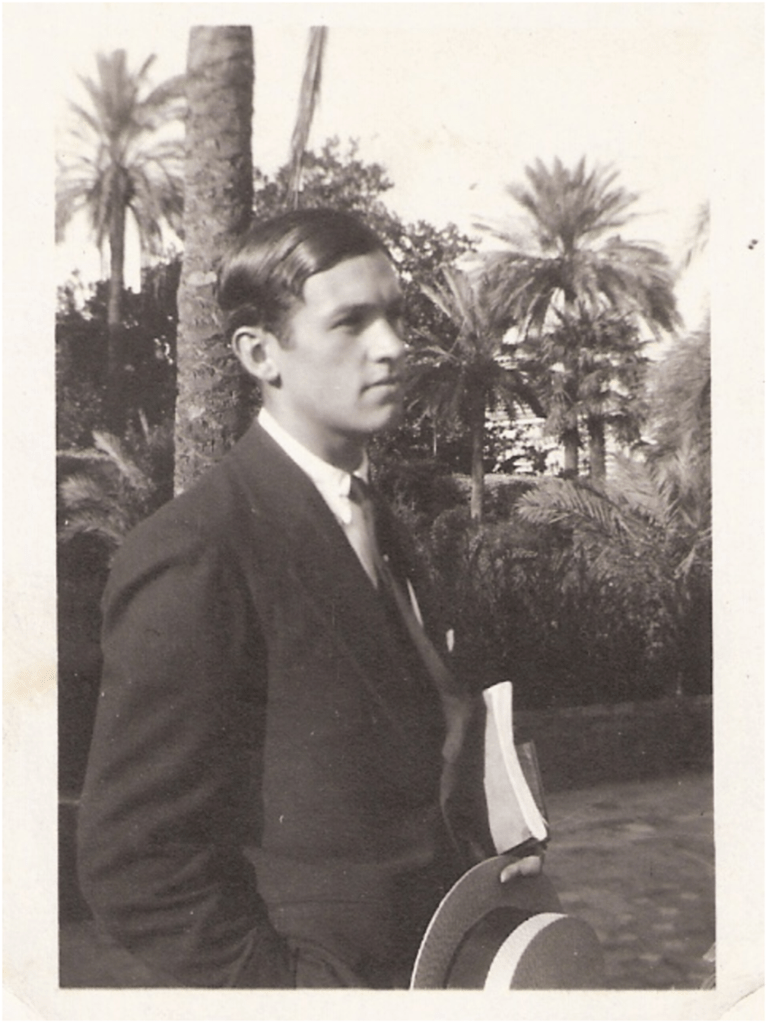
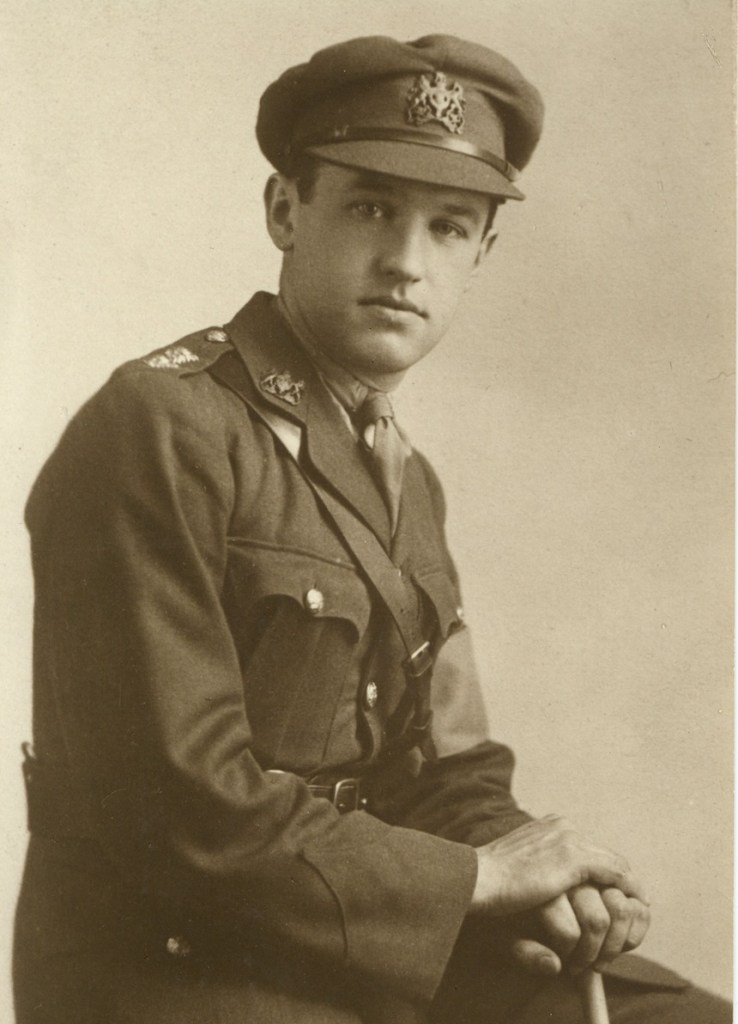

Jāzeps Grosvalds was mobilized in the Russian army as a cavalry officer in 1915. Despite the harsh realities of war, Grosvalds remained actively engaged in his art, painting scenes from the daily lives of soldiers and refugees. These experiences fueled his “The Refugees” (1915-1917) and “Latvian Riflemen” (1916-1917) series.
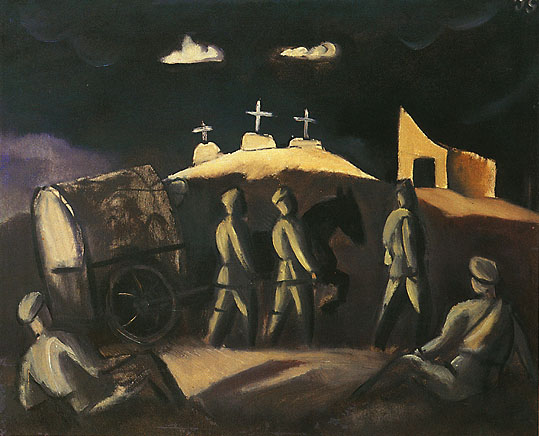


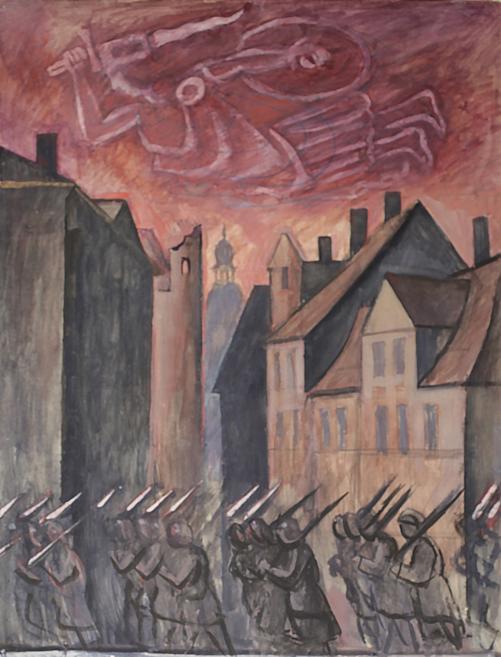
In 1917 he was commanded to the western front where he soon joined the British army. In 1918 Grosvalds as a British First lieutenant joined the British Expeditionary Group and traveled through Arabia, Persia and Caucasus. His experiences were documented in more than hundred pictures with Persian landscapes (Oriental series, 1918–1919). For his service he was awarded with the British Military Cross.


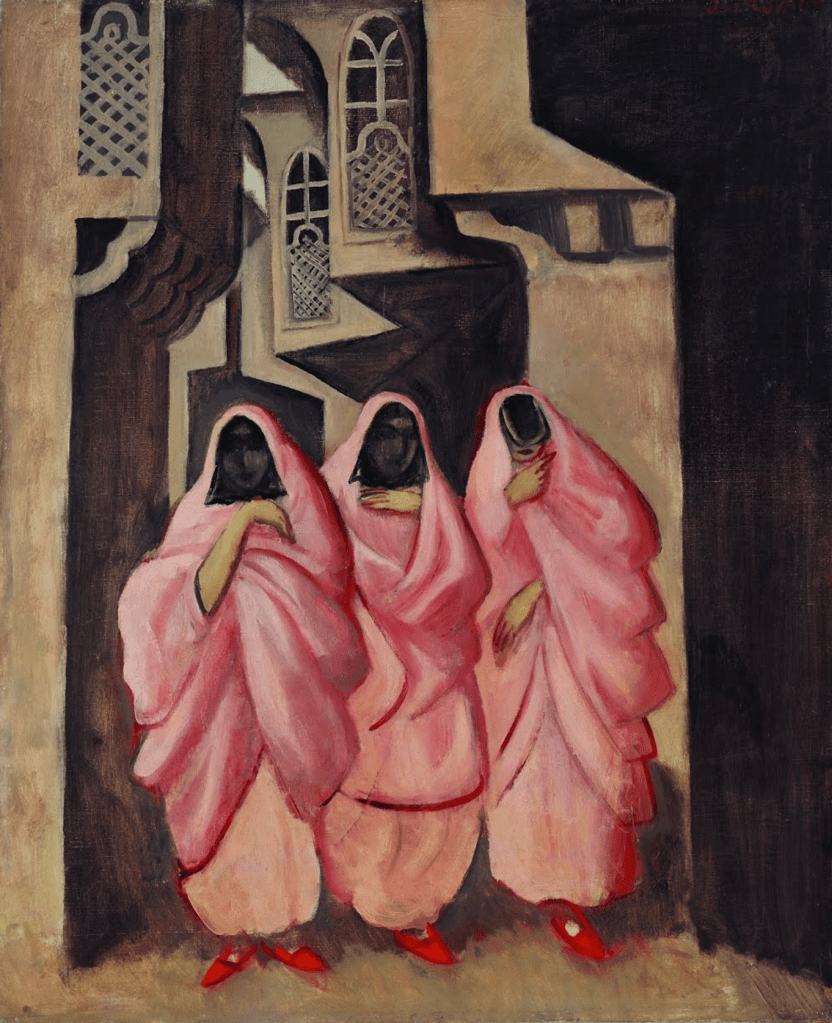
There is a retrospective exhibit of his work being held at the Latvian National Museum of Art. (Until March30th, 2024) 400 of his creations! Check out the description HERE.
The beginning starts like this:
“Jāzeps Grosvalds (1891–1920) was a very multifaceted, immensely talented personality about whom it is possible to say that, in essence, all his activities can be considered artistic expression – not only artworks, but also letters, diaries, sumptuous self-made journals, even his modern way of dressing.”
Cr. The National Museum of Latvia.
Aleksandra Belcova
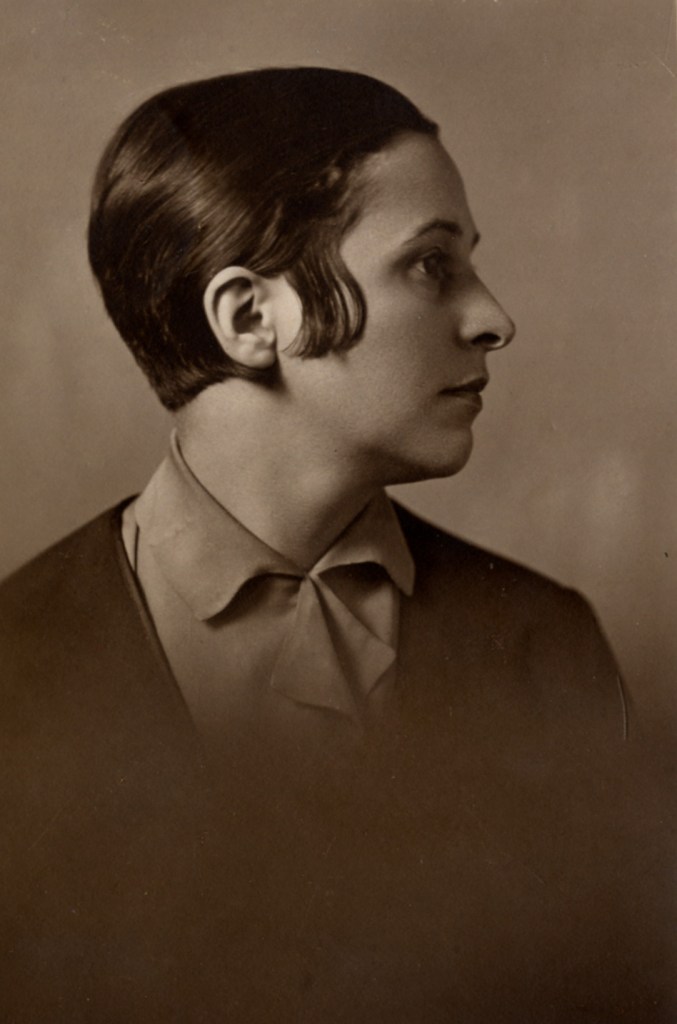

Aleksandra Beltsova was born in the city of Suraz, Bryansk region of Russia in 1892. Even though she was not born in Latvia, her parents moved there when she was very young and and she went on to spend the majority of her life and artistic career there.
Initially received her artistic education at the Penza School of Art, which she entered in 1912. There, in 1915, she met young Latvian artists, including her future husband, Roman Suta. After graduating from the Penza Art School, Aleksandra Beltsova went to St. Petersburg, then Petrograd, where in the fall of 1918 she entered the Petrograd State Free Art Workshops.
At the beginning of May 1919, Aleksandra Beltsova accepted Roman Suta’s invitation to go to Riga, which started a new phase in her life and art. Here Alexandra met her schoolmates and quickly integrated into the local cultural environment. The painter became a member of the Riga artists’ group, participated in the association’s exhibitions.
Like many young artists of her time, Beļcova incorporated elements of Cubism into her paintings, adding her own unique flair. After 1925, her work began to reflect the popular Art Deco style, evident in her compositions and the influence of artist Tsuguharu Foujita. While her interest in the Parisian art scene continued, a shift towards a more realistic portrayal emerged in her works during the 1930s.
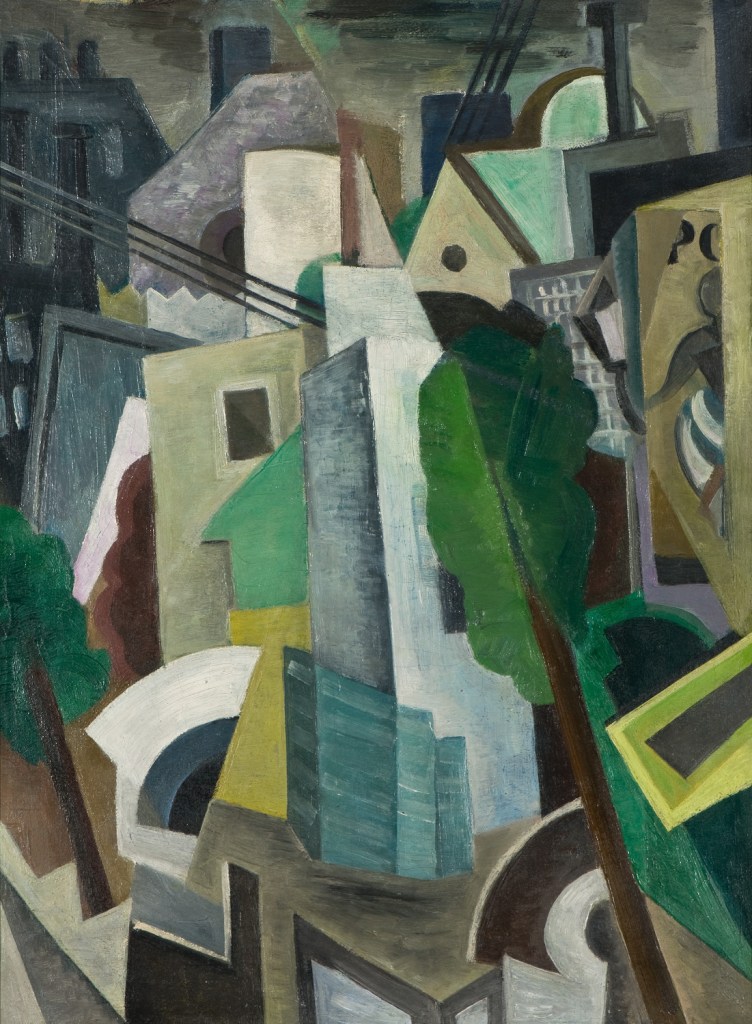

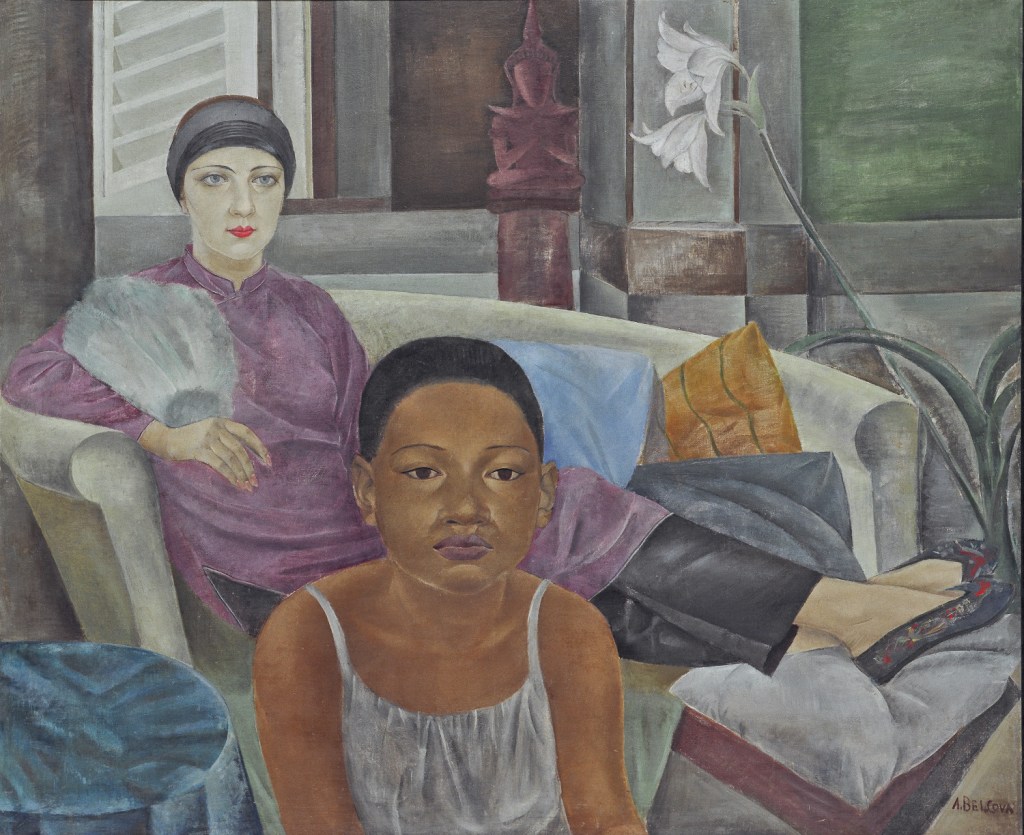

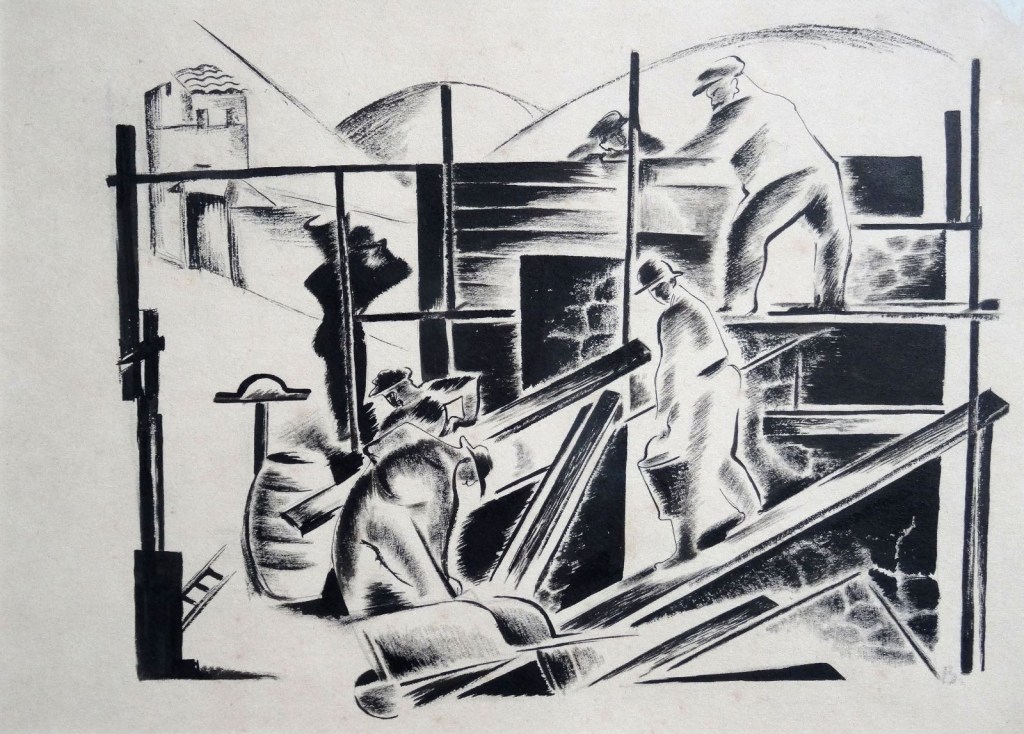
Beļcova’s talents extended beyond painting. She excelled as an illustrator, creating graphics and even designing porcelain. In the second half of the 1920s, Aleksandra Beľtsova was active in the porcelain painting workshop Baltars, which also included Romans Suta and Sigismunds Vidbergs.
In 1922 A. Beļcova and R. Suta visited Berlin, and Paris in the spring of 1923. They visited France a second time in 1925, when they both took a part in the International Exhibition of Modern Decorative and Industrial Arts in Paris with painting on porcelain. Their plates, vases and tea sets from the Baltars workshop won acclaim – two gold and one bronze medals. Their workshop existed until 1929. In the painting of dishes, the artist often chose motifs from the folklore of different nations or created geometrically abstract compositions, focused on religious themes.


I am drawn to her husband’s Roman Suta’s incredible Art Deco plates:


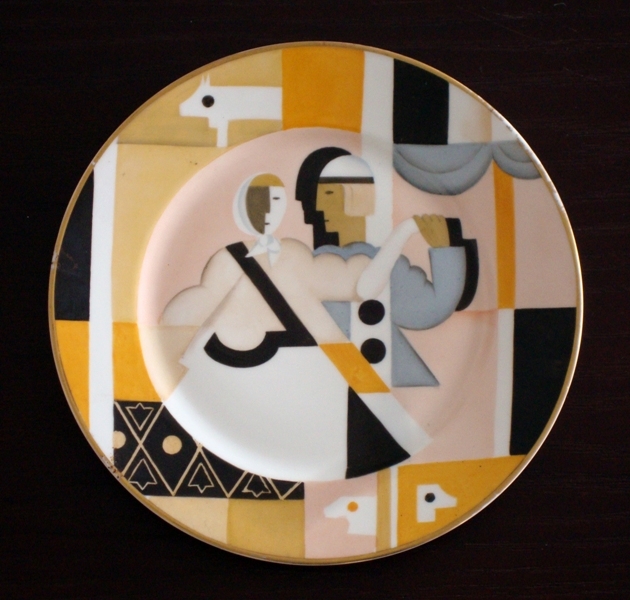

In fact there is a Romans Suta and Aleksandra Beļcova Museum in Riga. Website HERE. You can live the entire creative process of both artists. Here are some photos:
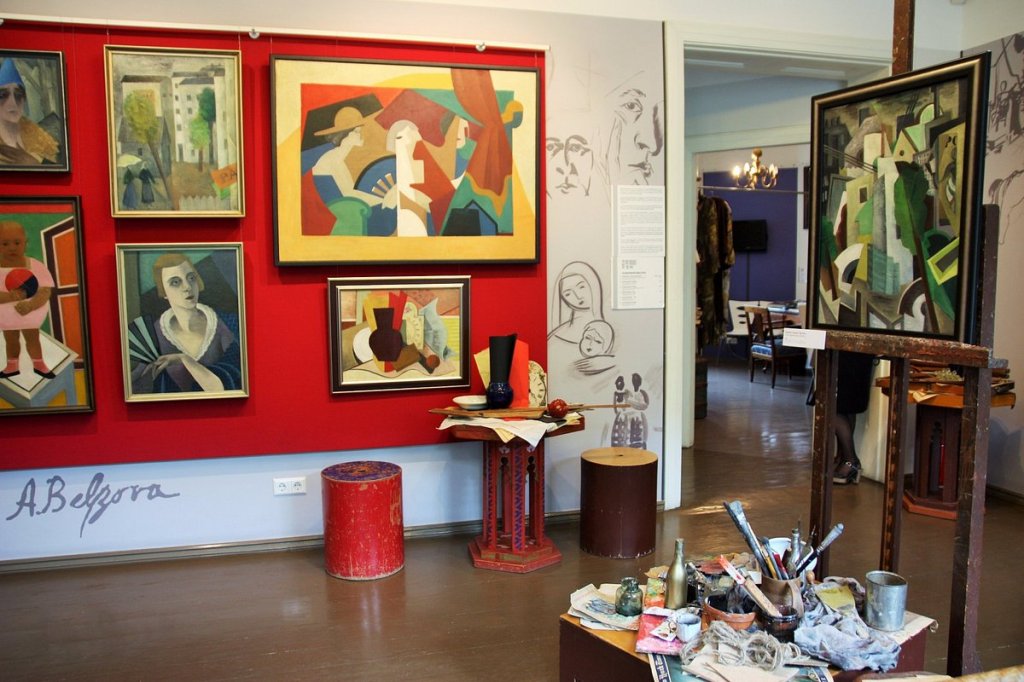

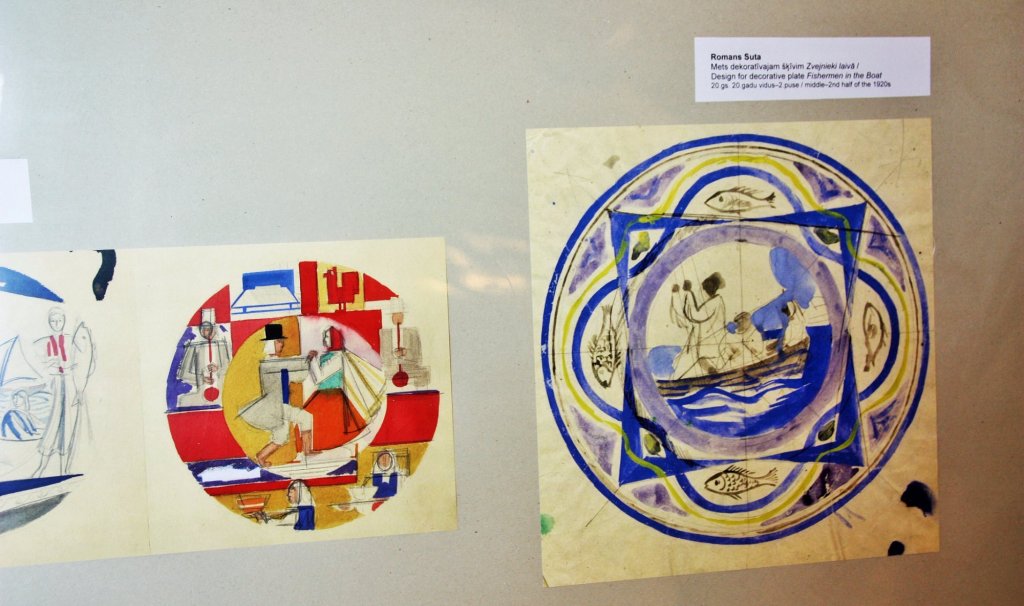

How extraordinary it must be to share one’s art with another human being that totally gets it!
The 1930s brought a shift in her paintings with the use of pastels.

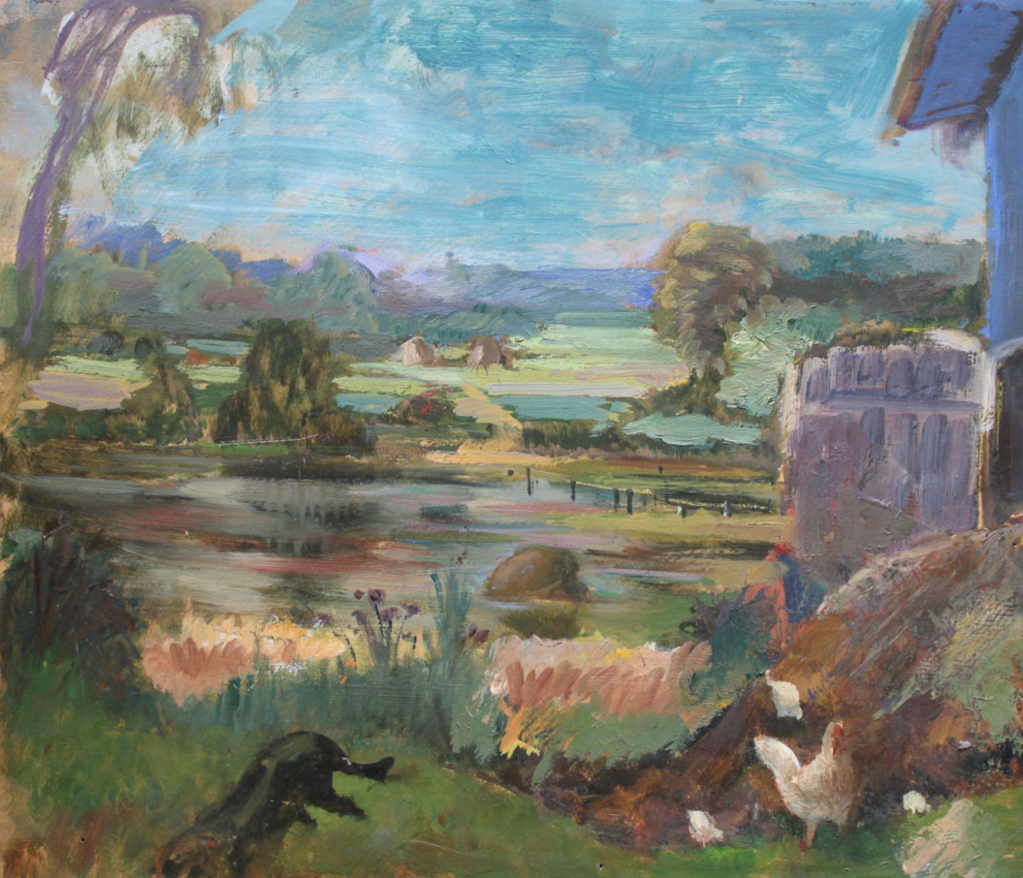


Aleksandra Belcova lived a long life, until 1981. Not only her personal life story of 88 years is reflected in her artwork, but also many 20th century artists. events. Most of the artist’s creative heritage consists of drawings in sketchpads and albums.
Now which of these artists will inspire my angel… you’ll see it in my next post!
Thank you for joining me today!
 My Virtual World Trip