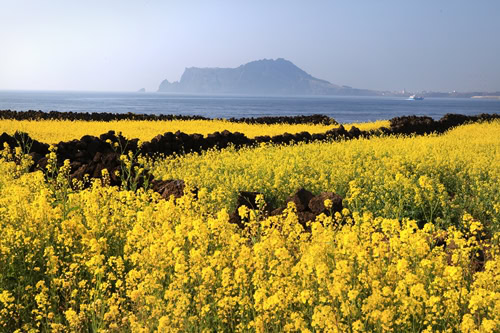
As promised let’s go virtually to Jeju Island.
There is a lot one can do as a visitor in this island as it is really well developed for tourism. It may not be a top destination for Americans or Europeans but it well known in countries close to South Korea.
Choosing what to write about was not easy, so I tried to balance between nature and human created sites and activities.
1. The Jeju Olle Trail
The Olle Trail on Jeju Island is a long-distance walking path that circles the island. It was inspired by the Camino de Santiago in Spain and opened in 2007. The trail consists of 27 connected numbered main routes, 6 sub-routes, and a short spur that connects to Jeju International Airport. The routes are on average 16 km in length and total 437 km. They mainly follow Jeju’s coastline and around its outlying islands, passing beaches, fishing villages, indigenous forest, tourist destinations, and urban centers.
This is a map of its official website:

Just like in El Camino de Santiago, you get a passport that you stamp along the route and if you complete it you are displayed in their Hall of Fame in the website.

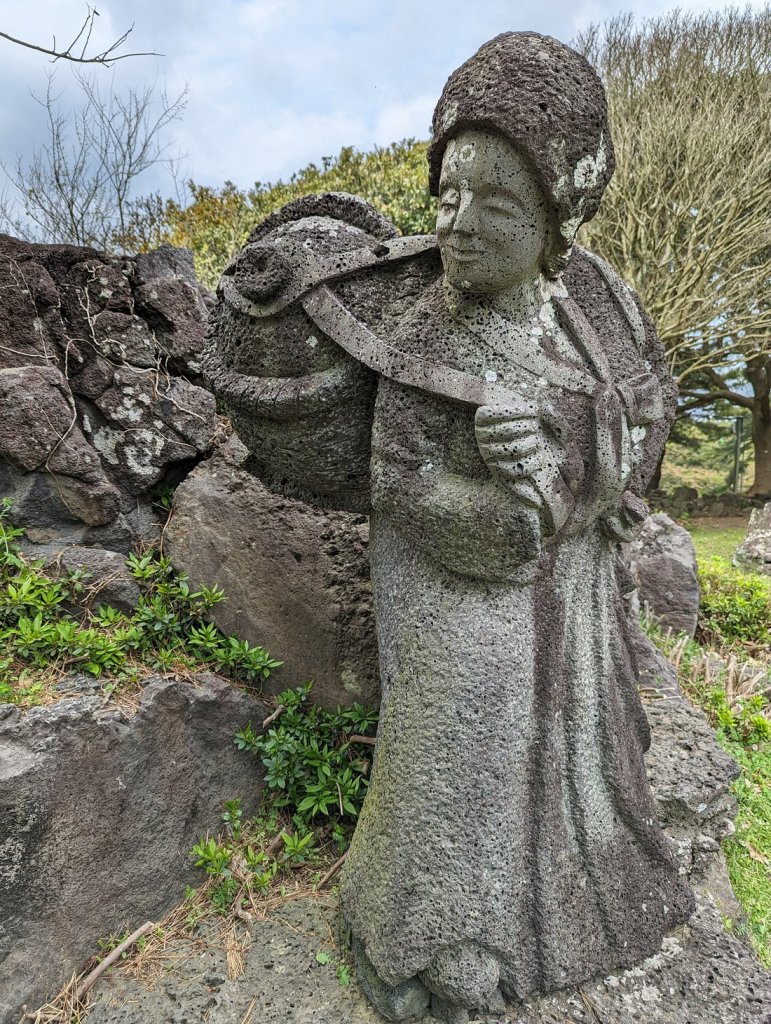
When walking this path you get to see over 100 villages, many beaches and they even have guides that take you along certain routes and enrich you with stories about Jeju’s culture and and facts about its nature. Here are some photos and a video showcasing it:
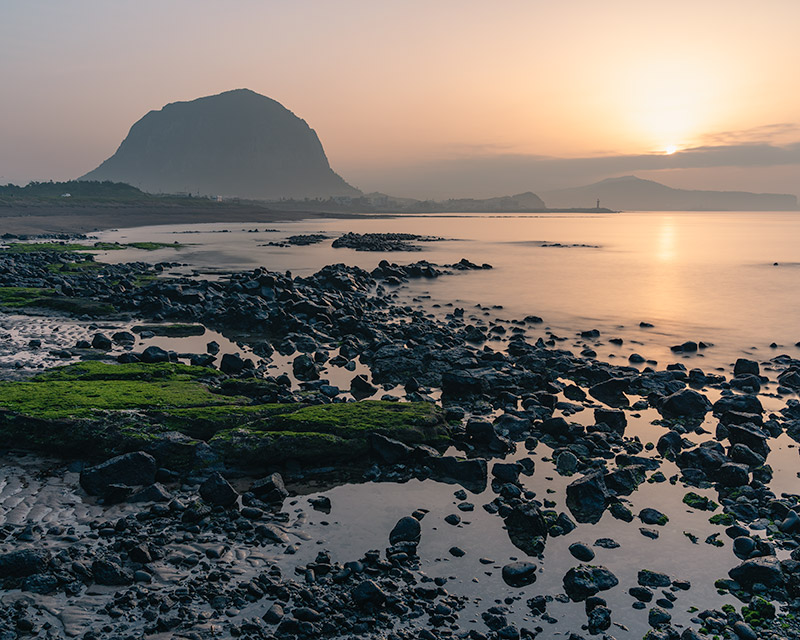
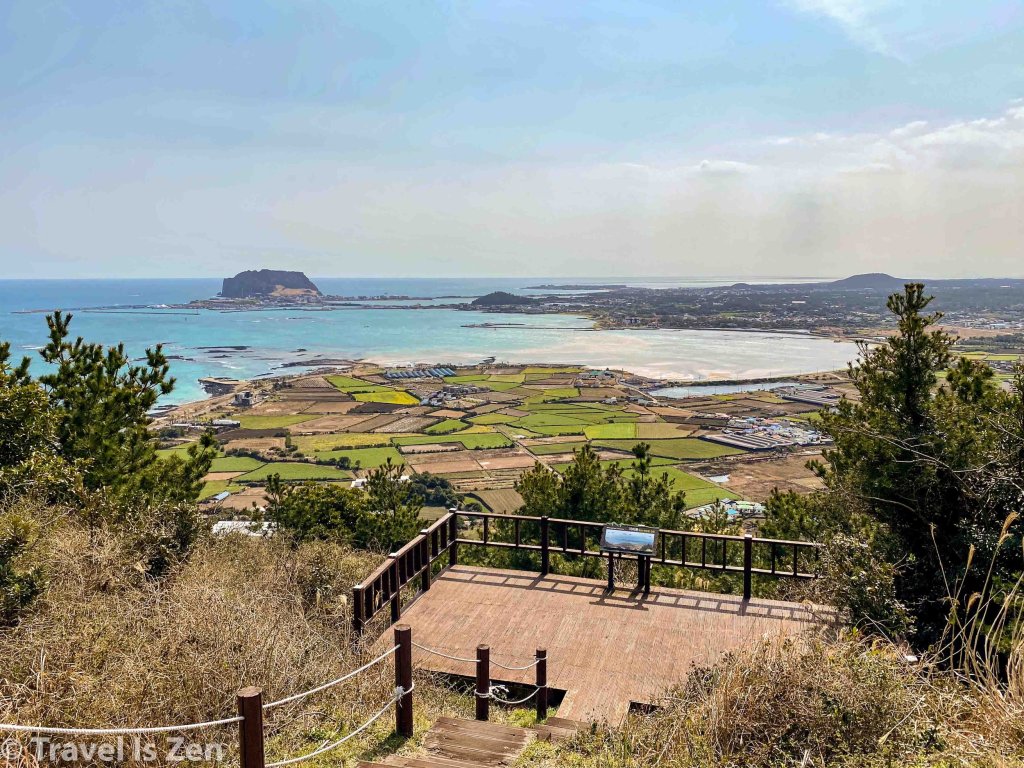

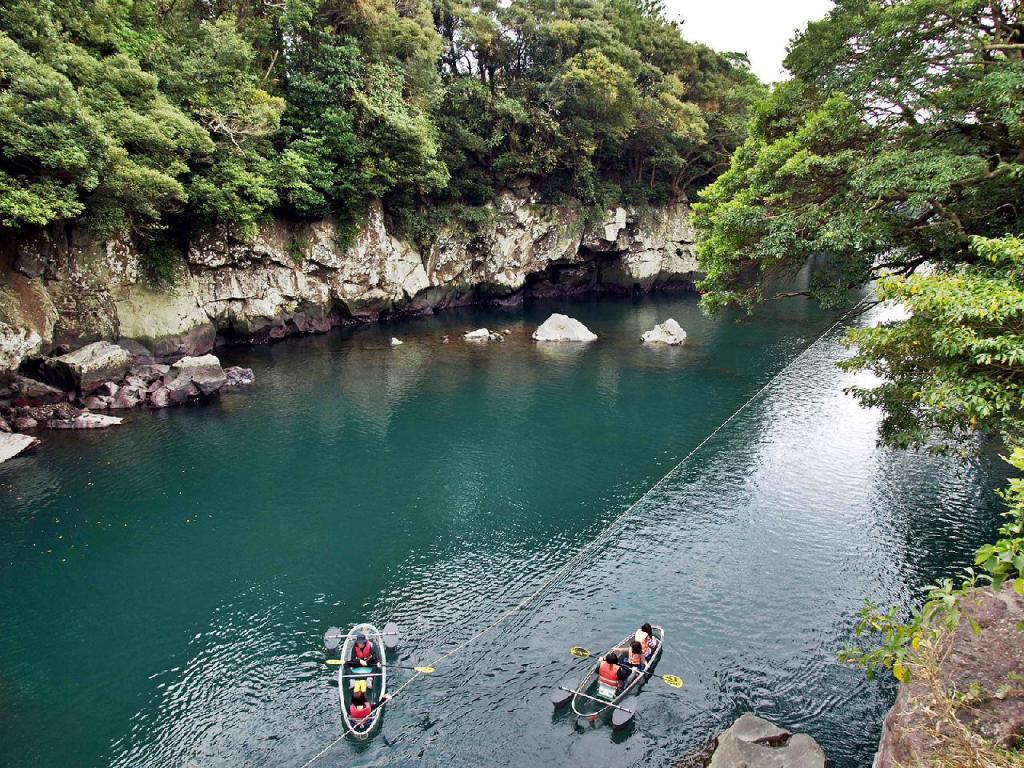
Ready to walk… this video is an excellent overview!
2. Beach time!
Of course one of the preferred locations visited in Jeju are its beaches! Here are two of the most beloved ones.
Hyeopjae Beach: Known for its crystal-clear water and white sand, Hyeopjae is a popular choice for swimming, sunbathing, and water sports.
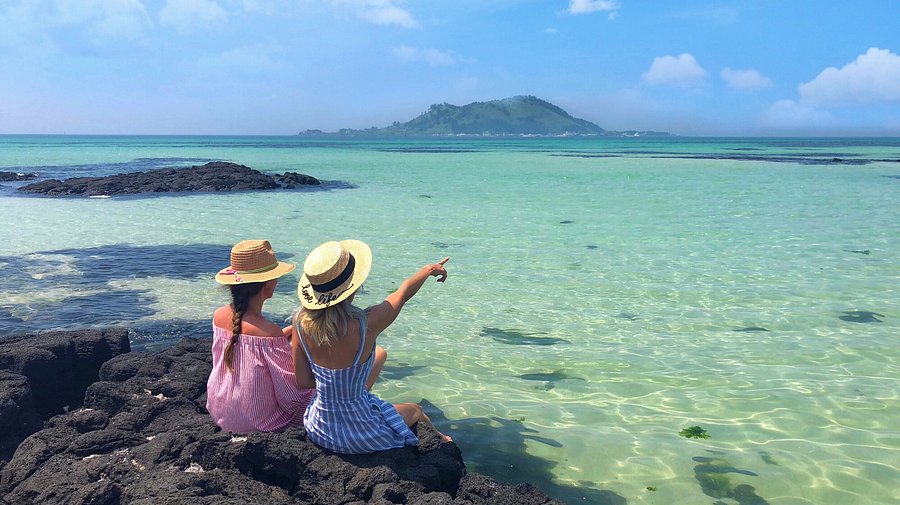
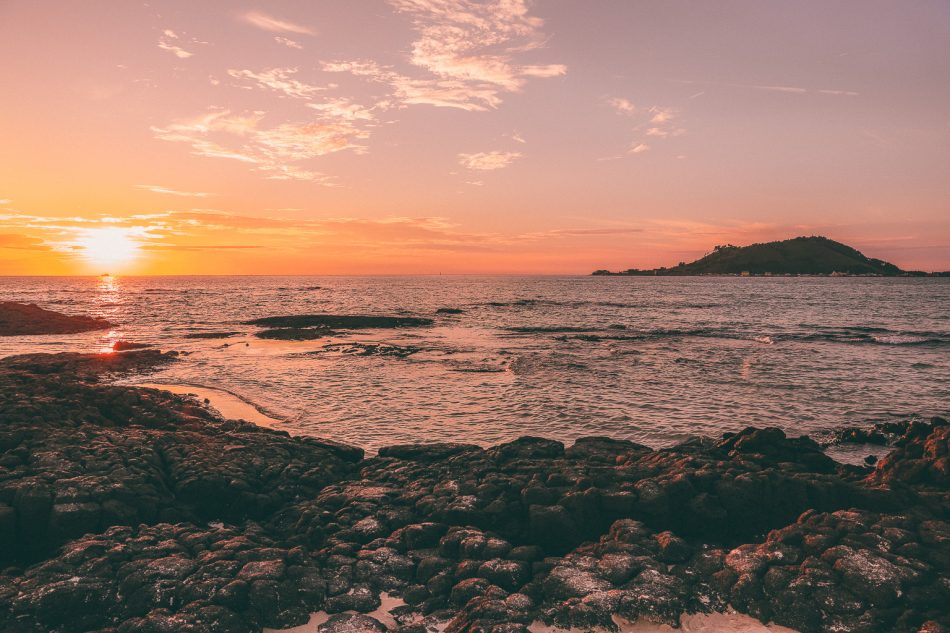
And because it faces the west side you get to enjoy gorgeous sunsets…
Hamdeok Beach: This beach boasts stunning emerald-green water and a picturesque backdrop of pine trees. It’s a great spot for families and those seeking a more relaxed atmosphere.
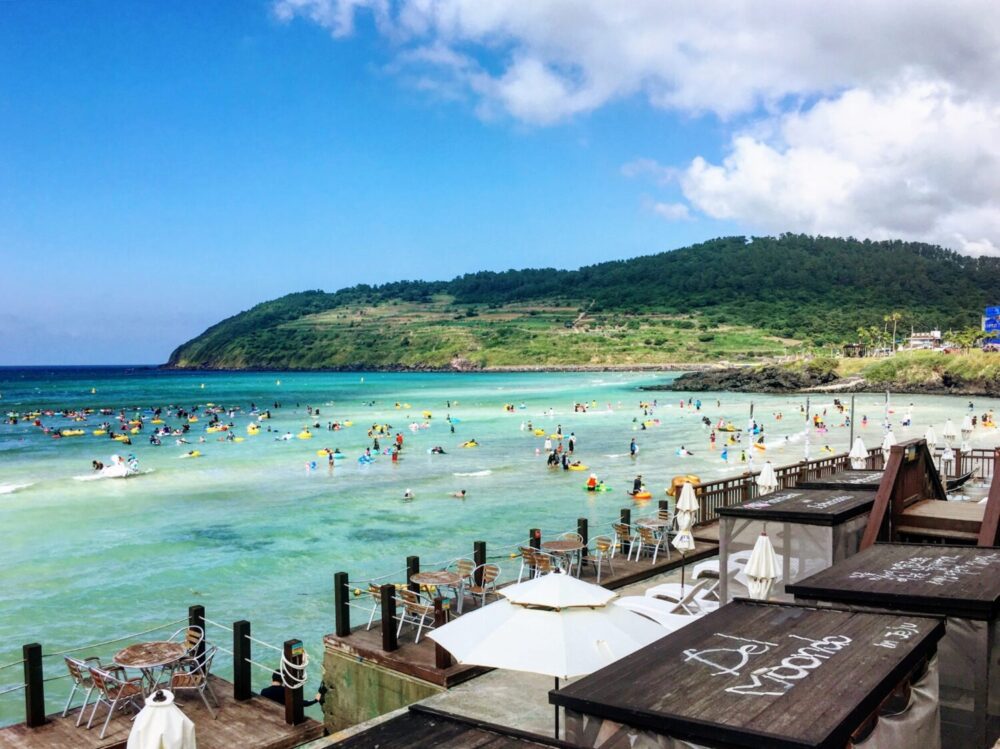

Let’s walk there…
If you are interested in reading about the beach scene of Jeju further, this website has a great summary of many beaches in Jeju with photos and activities to do in them.
3. Manjanggul Lava Tube
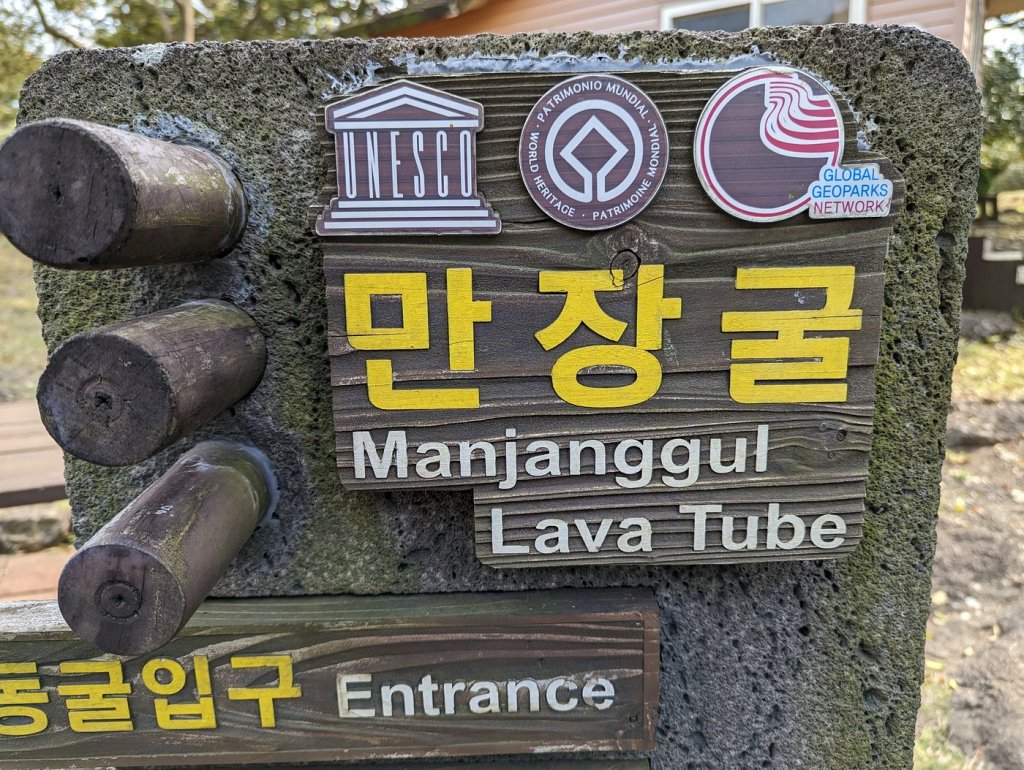
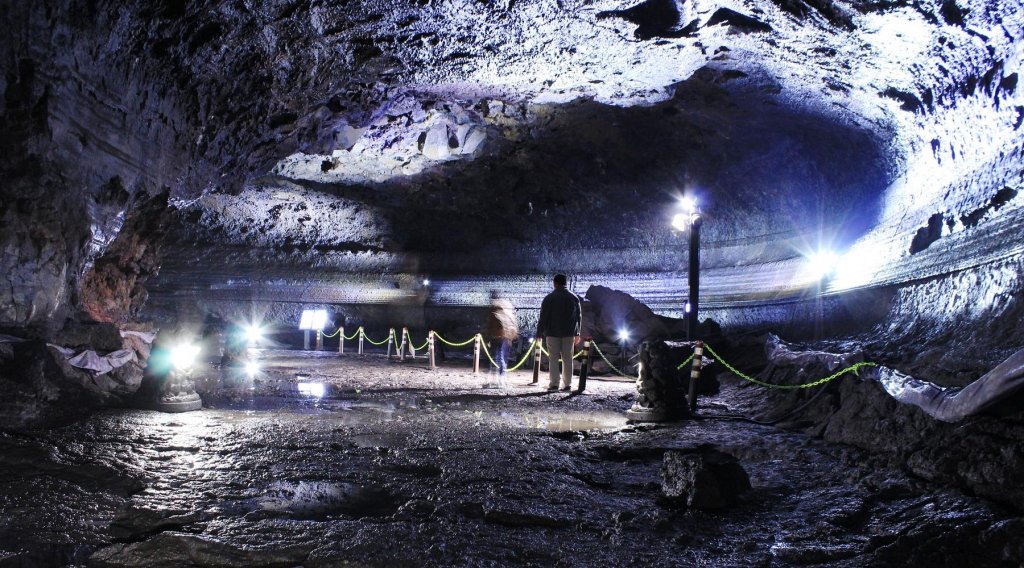
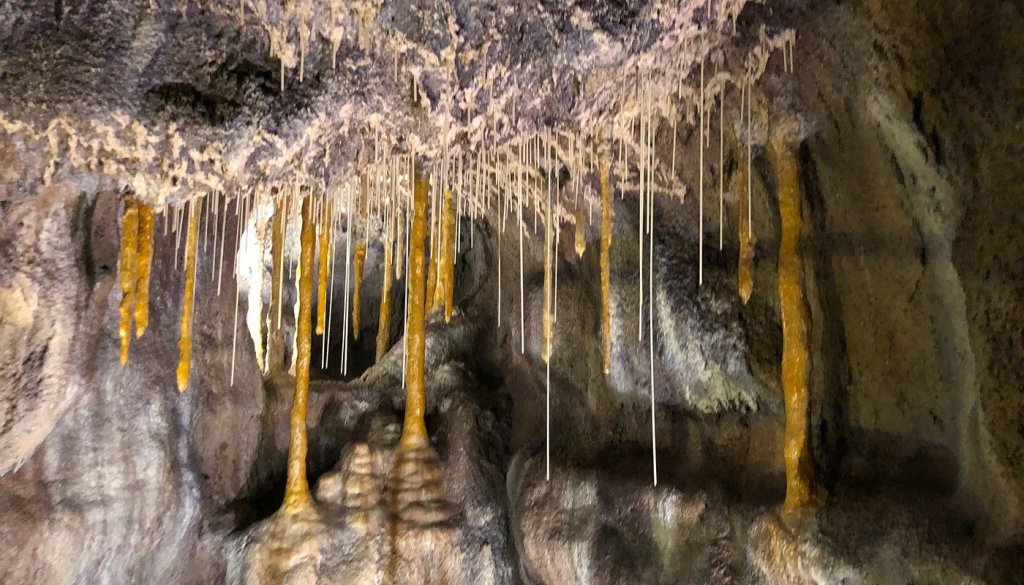
To enjoy Jeju’s volcanic past, visit Jeju’s impressive lava tube Manjanggul, a UNESCO World Heritage Site. Stretching for 7.4 Kms, the Manjanggul Lava Tube is part of the Geomunoreum Lava Tube System, it has a maximun height of 25 Kms and a width of 18 meters. It’s main attraction is a lava column, the highest in the world. As a visitor it takes about 1 Km to get there and along one can delight in typical cave formations like lava stalactites, stalagmites, and smaller columns.
I was curious as to what a “Lava Tube” was and basically it is a structure left behind by a constant flow of lava. As the lava flows, the outer surface cools and solidifies, forming a crust. The molten lava continues to flow beneath this crust, creating a tunnel-like structure.
Here are some photos of the Manjanggul Lava Tube. All photos came via Trip Advisor. com
Check if it is open before venturing there, I read that it is closed and won’t open until 2025 for renovations. Here is a video meanwhile:
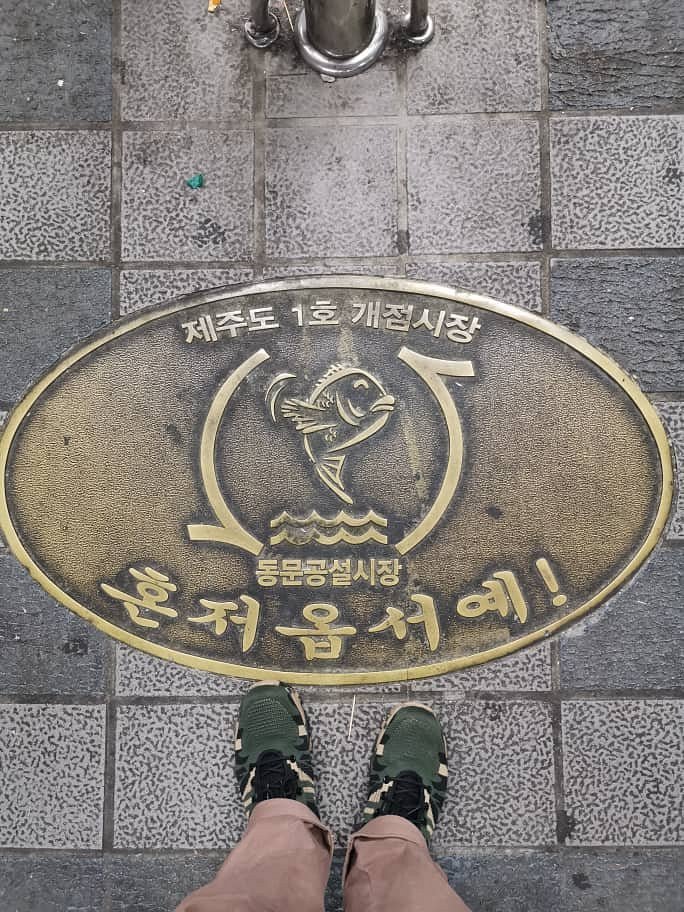
4. Dongmun Market
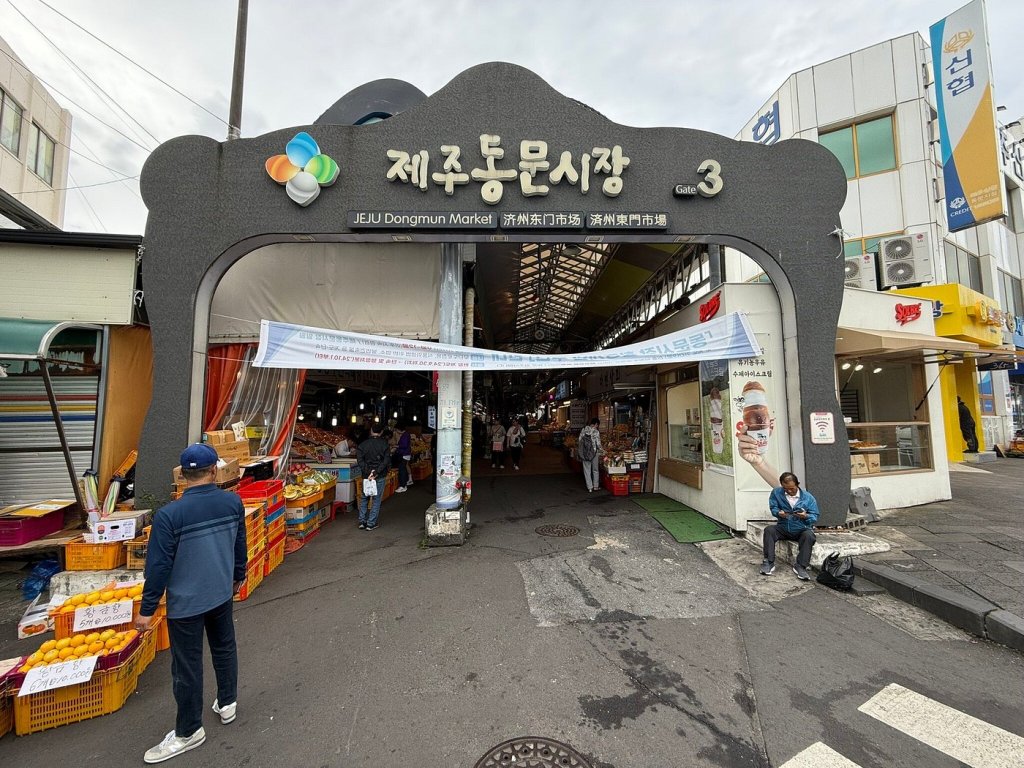
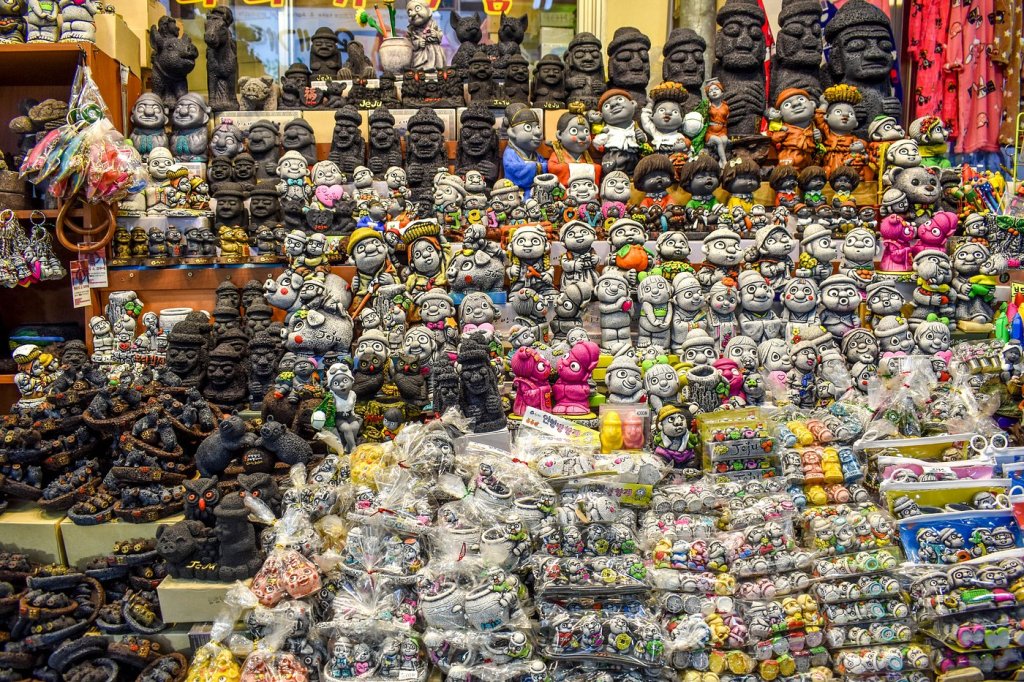
Dongmun Market’s beginnings go back to the tumultuous period following Korea’s liberation from Japanese colonial rule in 1945. Emerging from the ashes of World War II, the market initially took shape as a collection of street stalls selling a variety of goods, from fresh produce to clothing and household items.
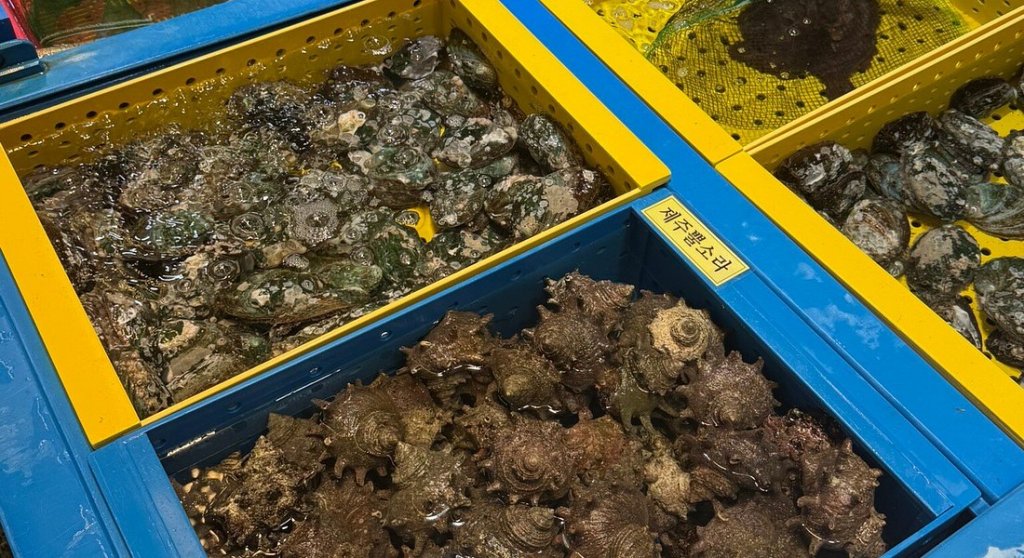
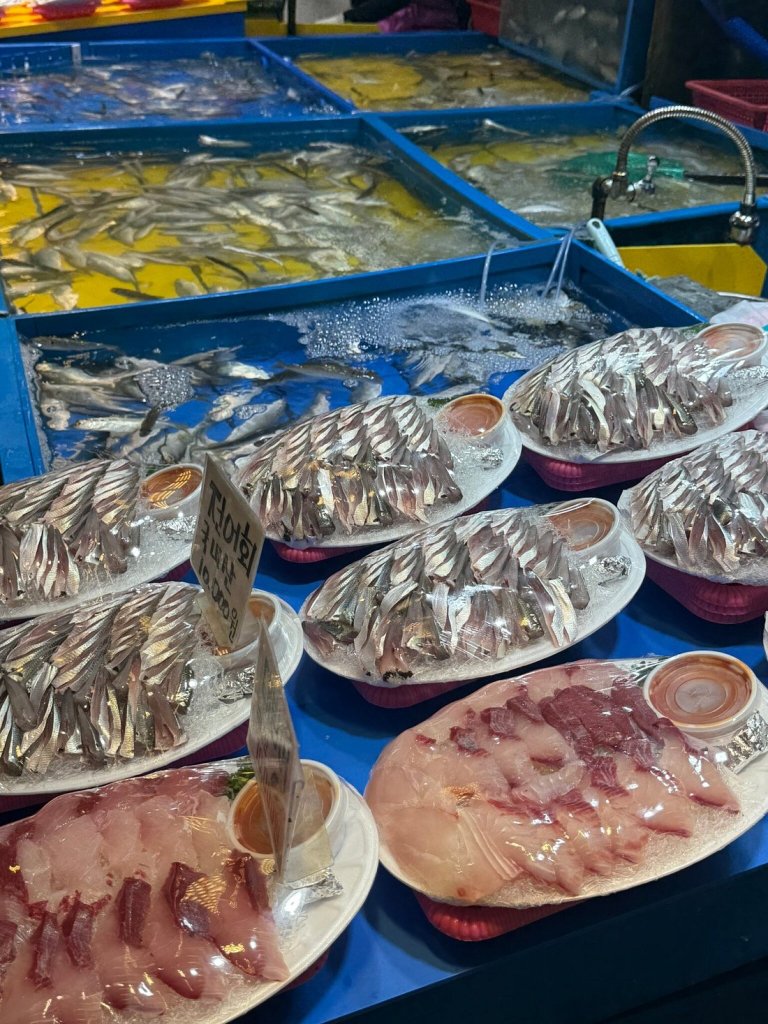
However, a devastating fire in 1954 forced the market to relocate to its current location. Undeterred by this setback, the resilient merchants rebuilt their stalls and continued to serve the community. Over the decades, Dongmun Market has evolved into a vibrant marketplace, offering a captivating blend of tradition and modernity. Today, it stands as one of Jeju’s most iconic landmarks, attracting both locals and tourists alike with its diverse range of goods, delicious street food, and authentic cultural experiences.
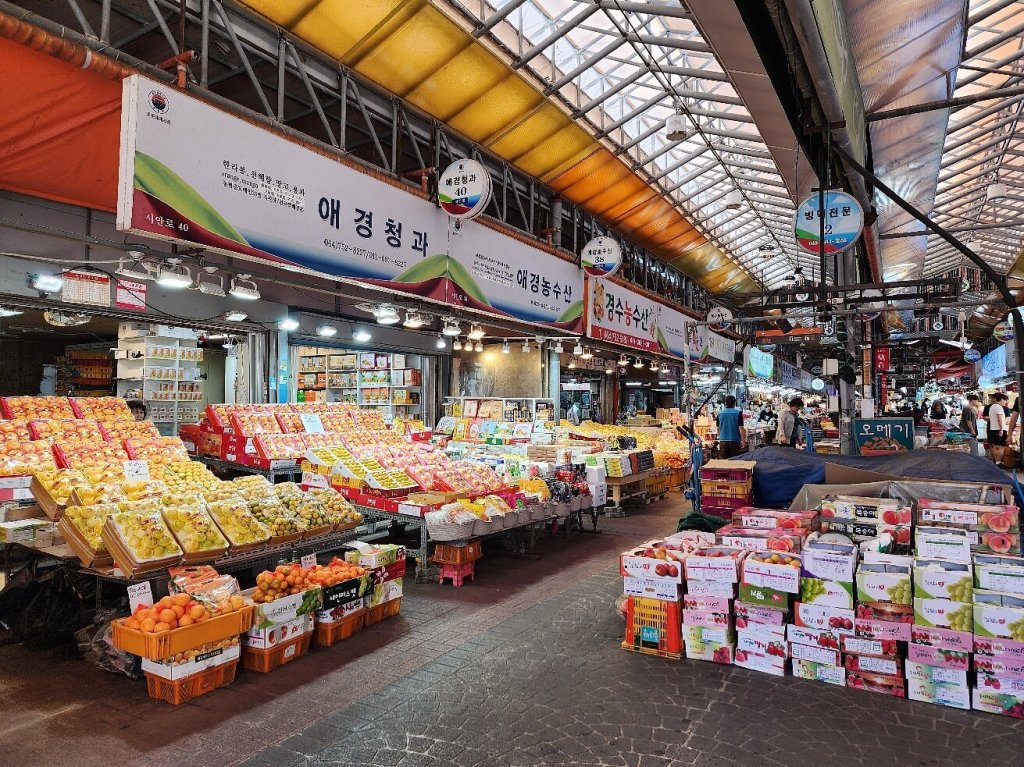
A food item that has become synonymous with Jeju Island is the tangerine. This island’s unique climate, with its mild winters and rich volcanic soil, provides ideal conditions for growing them. Over centuries, the islanders have cultivated and perfected various tangerine varieties, resulting in fruits renowned for their sweetness, juiciness, and distinctive flavor and they represent Jeju’s natural beauty and agricultural heritage.

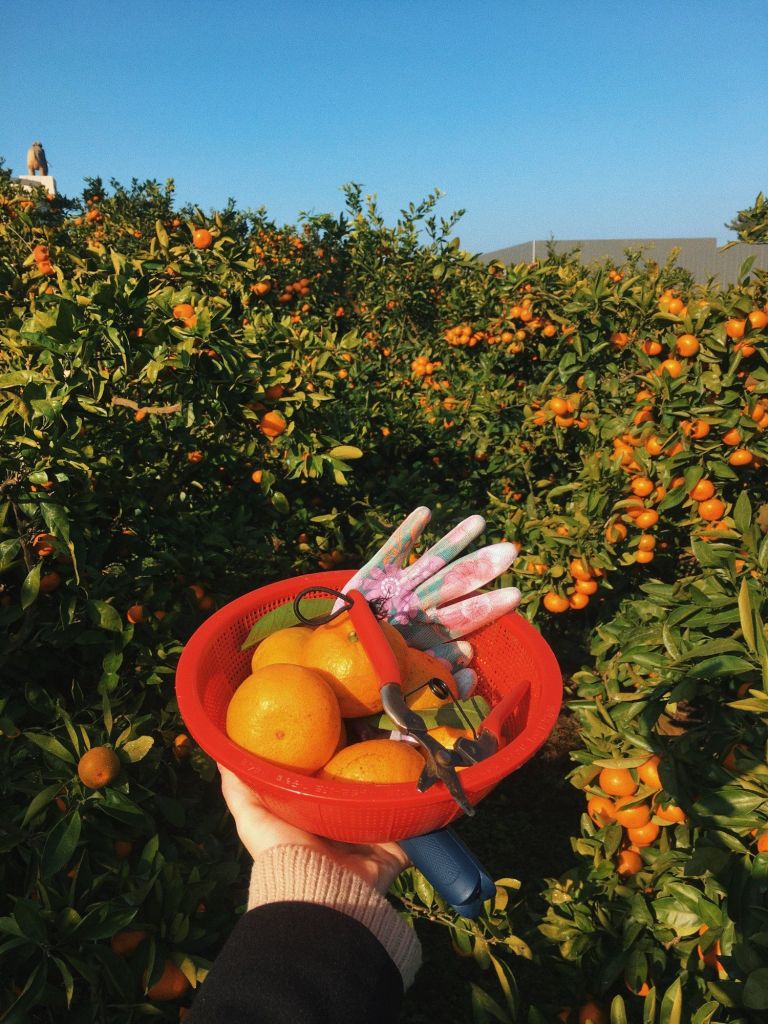
There are farms where you can pick your own and even have a pre-wedding photoshoot!

Watching that video made me want to highlight a bakery called “Seogwipean.” It is located in such a gorgeus place! Check out the photos:
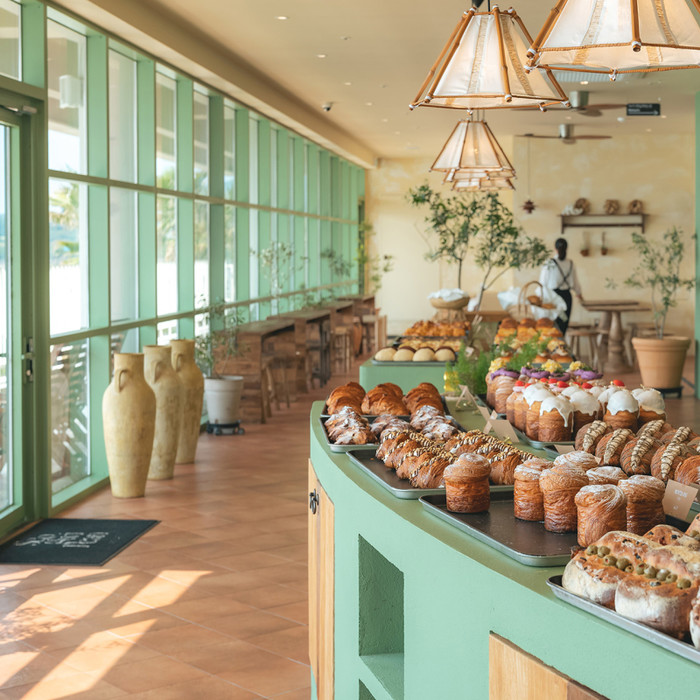


What a view!!! And then look at the baked goods:

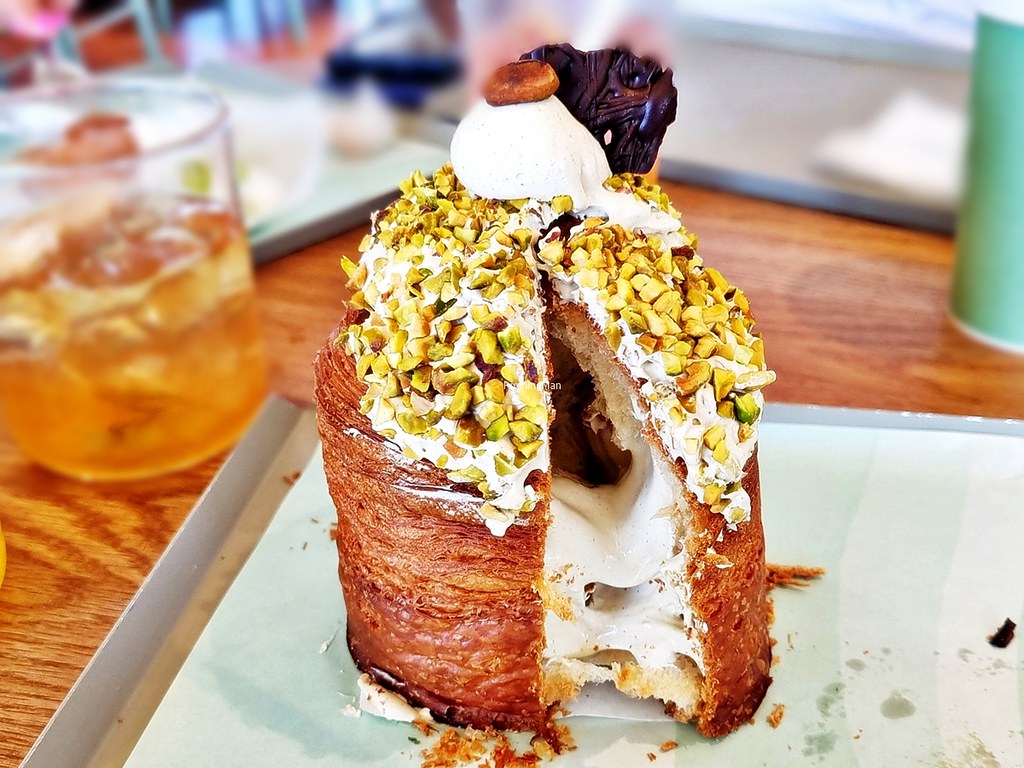
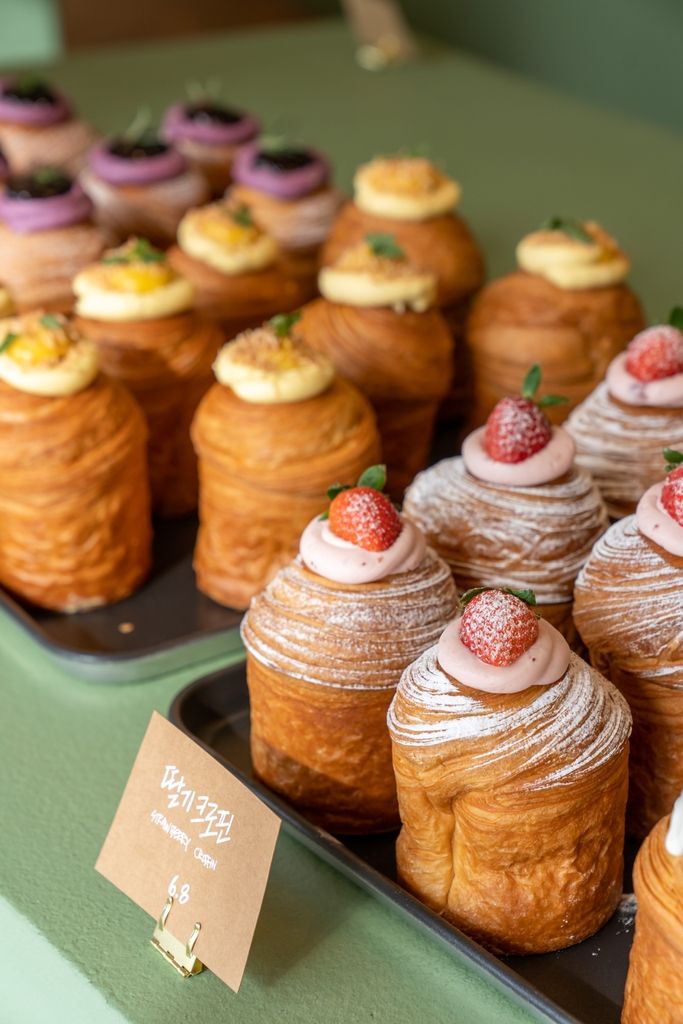
SO going there if I ever go to Jeju! ^ ^
Also mentioned in the video is the following and last plae I will highlight: Udo Island.
5. Udo Island
Often dubbed “Mini-Jeju,” this charming island offers a condensed version of the main island’s stunning landscapes, from pristine beaches to volcanic formations.
From this island you will also have one of the best views of Seongsan Ilchulbong, the volcano that is the highest point in all of South Korea.
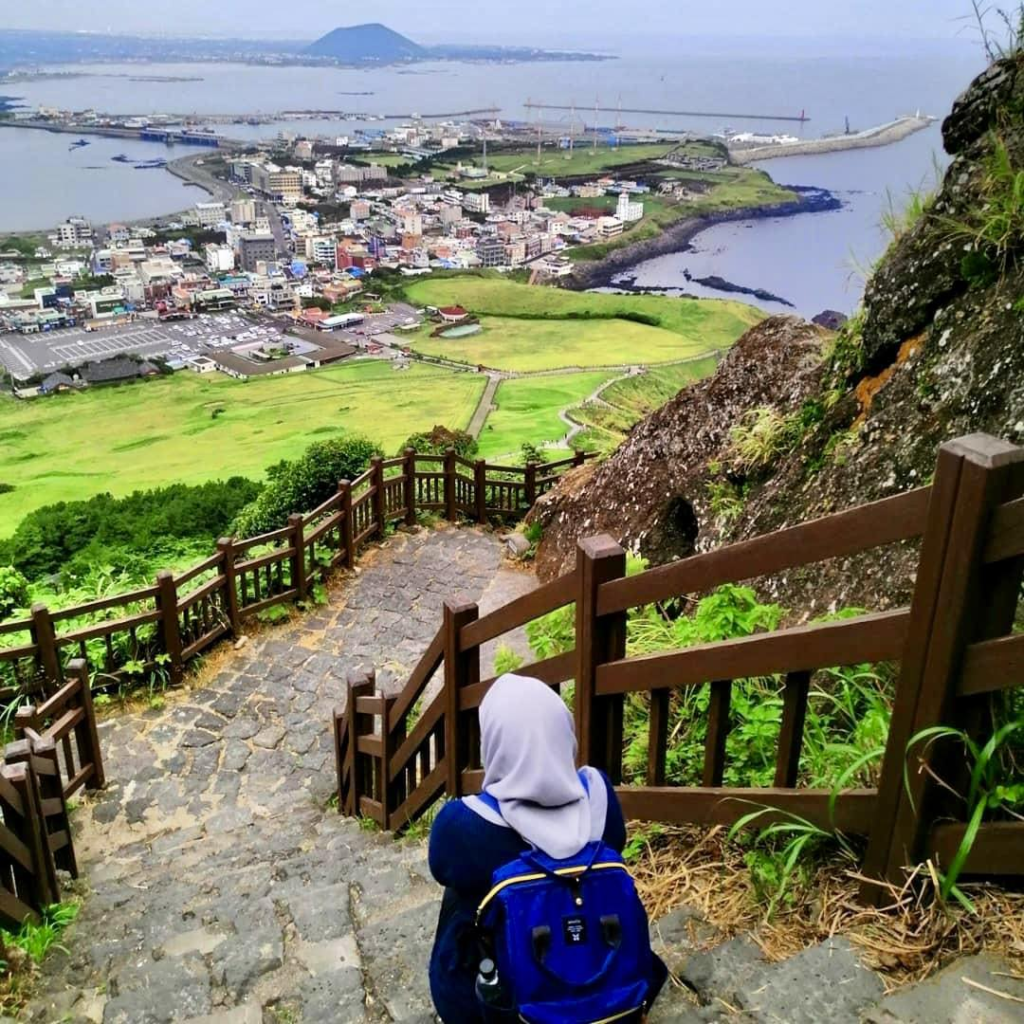
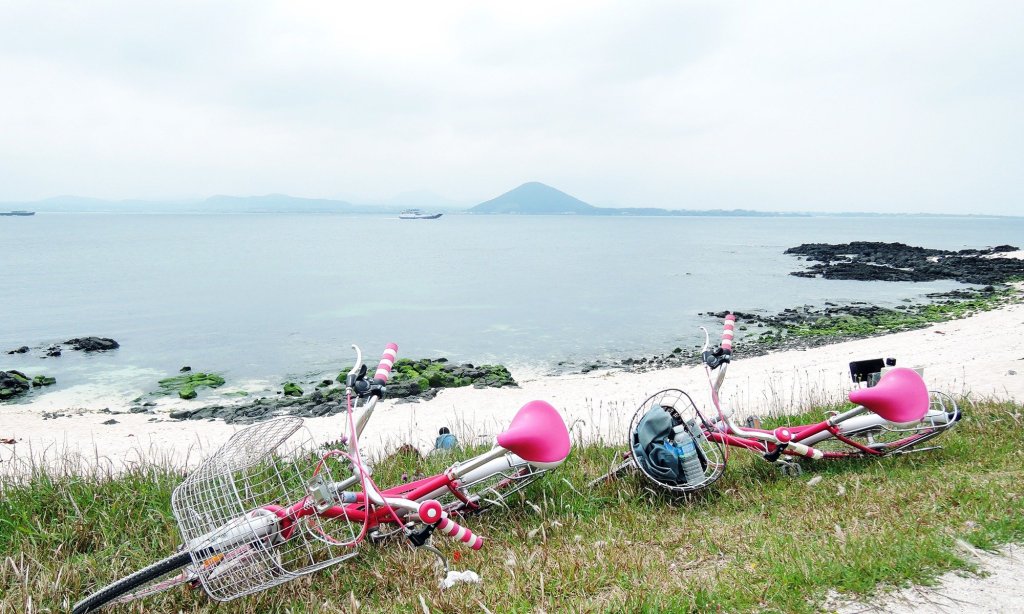
For a great guide to Udo islands offerning check out this blog. One of the things she recommends is to eat peanut ice cream.
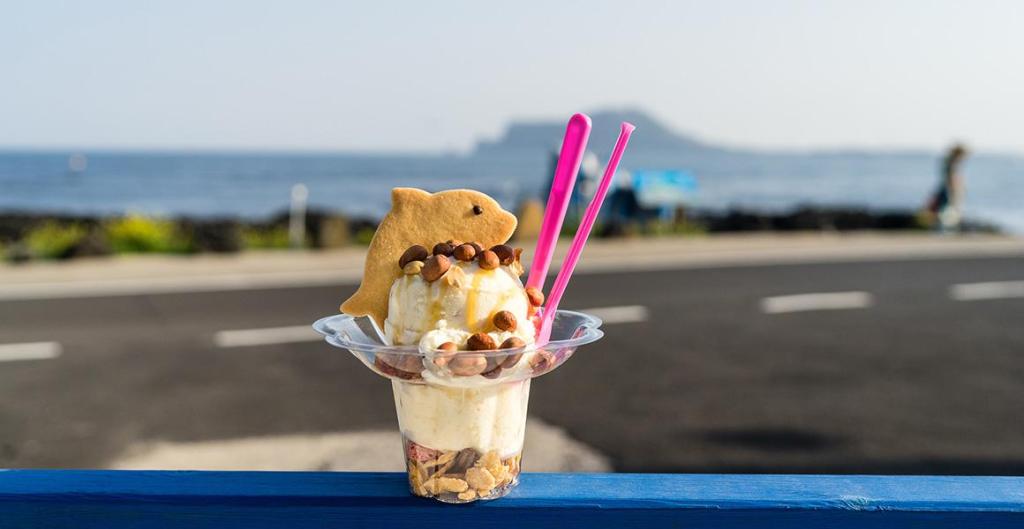
Sold!
Well and with this image we have come to the end of this virtual trip in Jeju Island. Thank you so much for coming along and I hope your eyes had a feast. What a beautiful place!
 My Virtual World Trip