
Ancient Korea (Before 1910)
700,000 BCE People began settling in the Korean Peninsula and Manchuria.
8,000 BCE The Neolithic Age began, when people started farming and forming clan societies.
57 BCE – 668 CE Three Kingdoms Period
The “Korean Three Kingdoms” contributed to what would become Korea; and the Goguryeo, Baekje and Silla peoples became the Korean people.

37 BCE – 668 CE Goguryeo
Powerful northern kingdom, known for its military strength and extensive territory. It reached its peak in the 5th and 6th centuries under powerful rulers like Gwanggaeto the Great and Jangsu. Goguryeo’s legacy includes its unique tomb murals and its significant role in shaping Korean history and culture.

Cr. http://www.art-and-archaeology. com
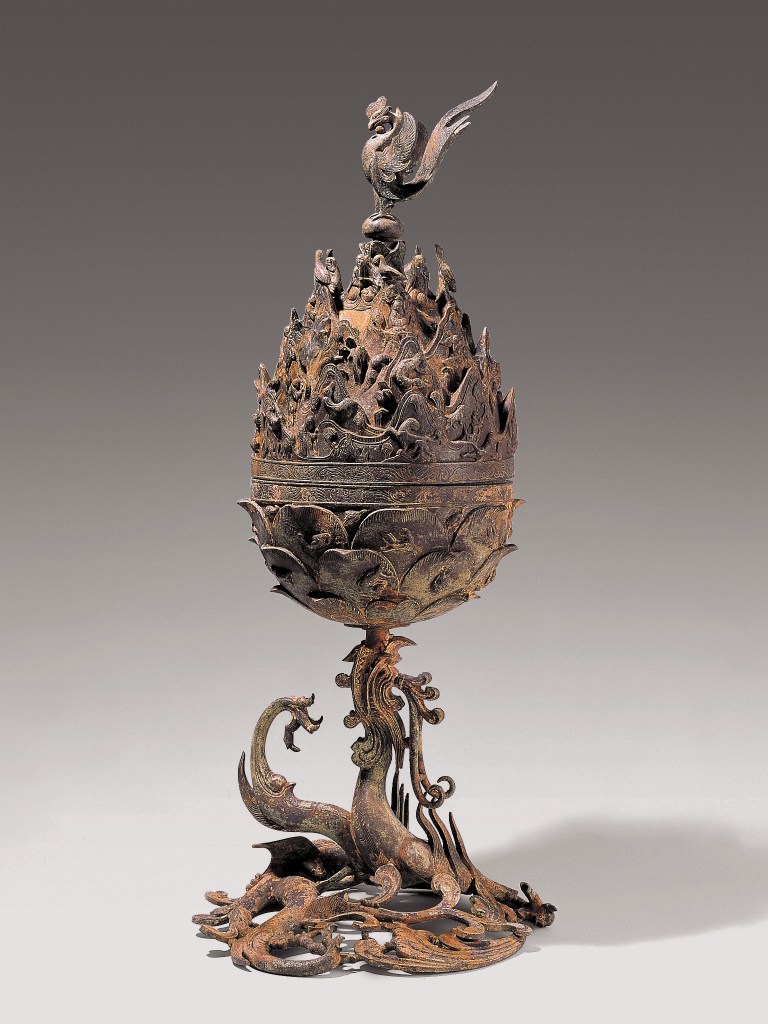
18 BCE – 660 CE Baekje
Located in the southwestern peninsula, Baekje was a maritime power and a cultural center. In 660 CE there was a decisive battle that led to its fall.
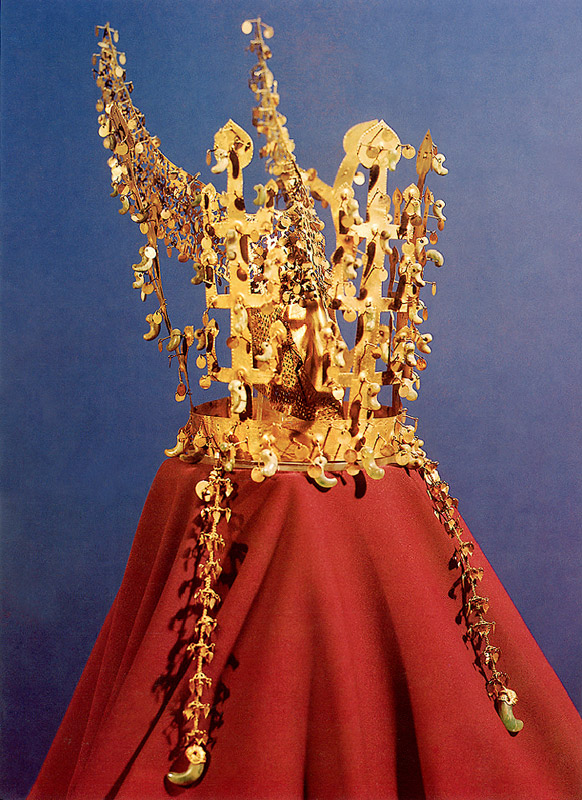
57 BCE – 668 CE Silla
Initially a small kingdom in the southeastern peninsula, Silla eventually unified Korea. It is known for its rich cultural heritage, including advanced metalworking and intricate jewelry, Silla’s capital, Gyeongju, is a UNESCO World Heritage Site. The kingdom’s influence extended beyond the Korean Peninsula, with strong ties to Japan and China.
668-935 CE Unified Silla
Unified Silla was a golden age for Korean Buddhism. The kingdom experienced a flourishing of Buddhist culture, with the construction of magnificent temples like Bulguksa and Seokguram. Renowned Buddhist scholars like Wonhyo and Uisang contributed to the development of Korean Buddhist thought. Silla also saw advancements in art and literature, with beautiful celadon pottery and intricate carvings adorning temples and palaces.
Trade with China and Japan increased, leading to economic growth and prosperity.
918-1392 CE The Goryeo Dynasty
918 CE Goryeo Dynasty is founded by a General Wang Geon. The Western name of Korea derived from this dynasty’s name.
Goryeo, along with Unified Silla, marked a golden age for Buddhism in Korea. As the state religion, Buddhism reached its pinnacle of influence, with over 70 temples in the capital city alone during the 11th century. Commerce thrived, attracting merchants from distant lands like the Middle East. The capital, located in modern-day Kaesong, North Korea, was a hub of trade and industry. This era also witnessed significant advancements in Korean art and culture.
Goryeo was a period of significant artistic and cultural achievements. Koryo celadon, renowned for its beauty and elegance, was highly prized by the Song dynasty.

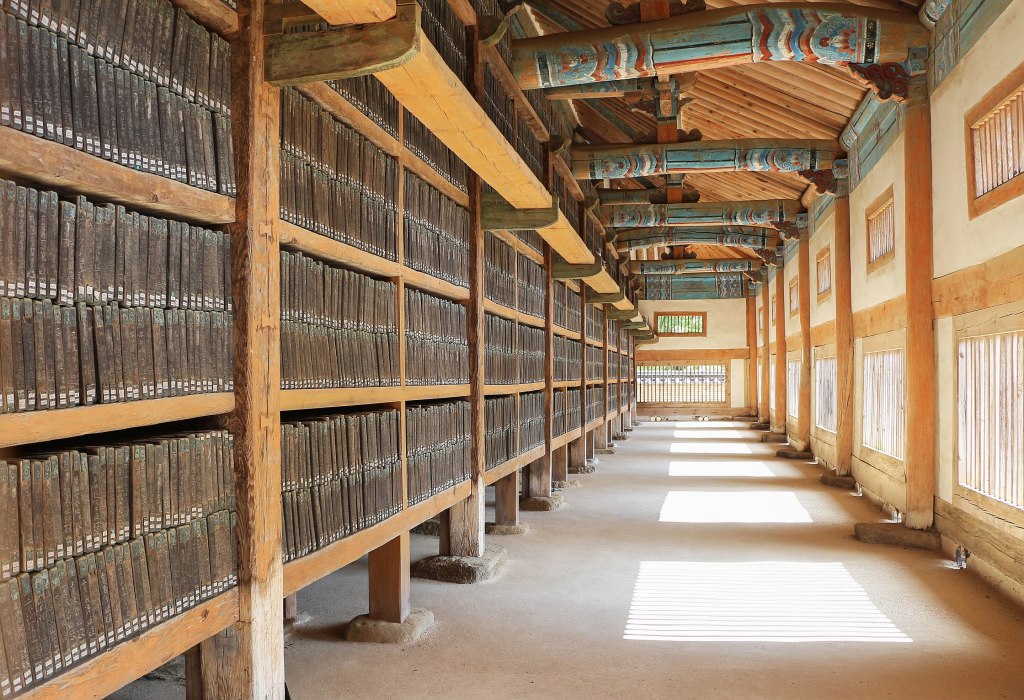
The Tripitaka Koreana, a monumental collection of Buddhist scriptures, is considered one of the world’s most important and complete Buddhist doctrinal texts. Remarkably, the original 81,258 woodblocks used to print the Tripitaka are still preserved at Haeinsa Temple.

1200 CE Goryeo also pioneered the development of metal movable type for printing books, predating Johannes Gutenberg’s invention in Europe by two centuries.
To see the story of Korea’s movable type printing in a dynamic way visit Google Arts & Culture article HERE.

1231-1259 CE The Mongols invaded Korea, causing significant damage and loss of life.

1377 The Jikji, the world’s oldest extant book is printed with movable metal type. Jikji is the abbreviated title of a Korean Buddhist document that translates to “Anthology of Great Buddhist Priests’ Zen Teachings”.

1392-1910 CE The Joseon Dynasty
The Joseon Dynasty (1392-1910) was the last and longest-ruling Korean dynasty. Founded by General Yi Seong-gye, it was a period marked by Confucianism, cultural flourishing, and significant historical events. Yi Seong-gye created a new capital further South: Hayang (current Seoul).
Early Joseon (14th-15th centuries):
Confucianism: Confucian principles were deeply embedded in society, shaping governance and social norms, pushing Buddhism aside.
1418-1450 CE Cultural Golden Age.
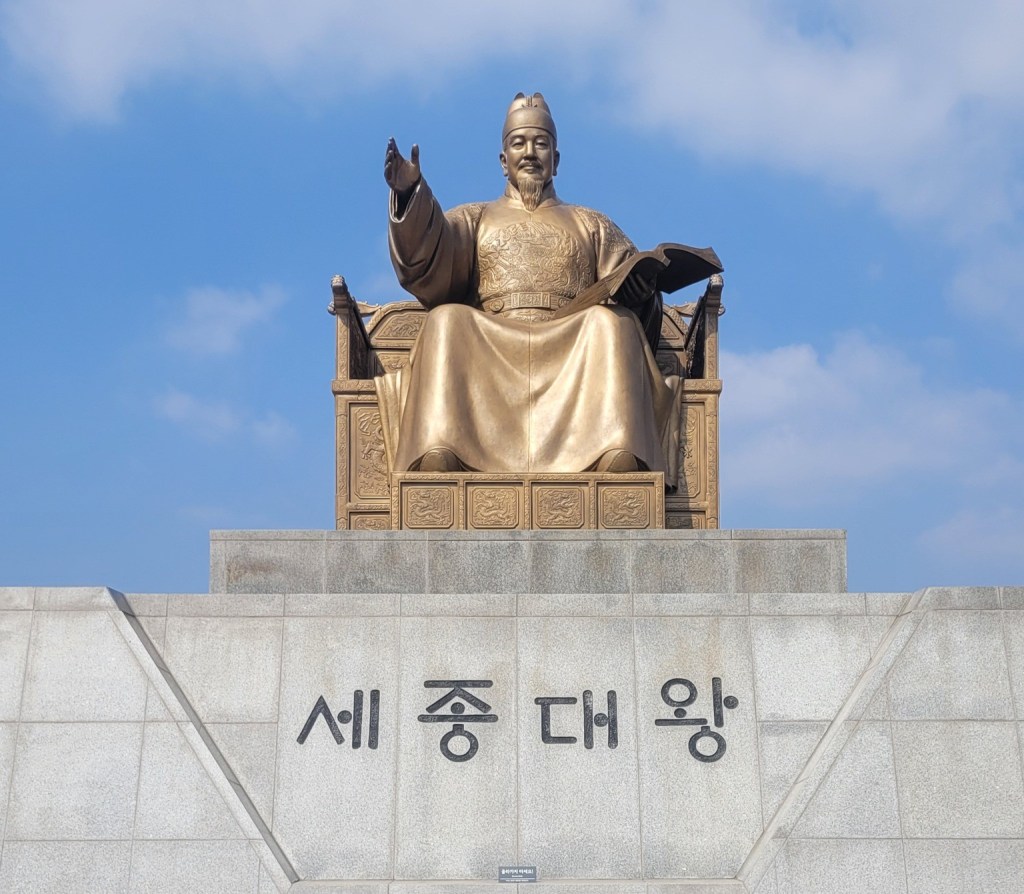
King Sejong the Great oversaw a period of significant cultural and scientific advancements, including the creation of Hangul, the Korean alphabet.
1592-1598 CE Imjin War. A devastating war between Korea and Japan.

The Joseon Dynasty developed the “Turtle Ship,” or Geobukseon, a formidable warship inspired by the Panokseon. The Turtle Ship was constructed by covering the entire deck of a Panokseon with a metal roof, resembling a turtle shell. In order to prevent the adversary from jumping over this ironclad lid, the lid was covered with iron spikes (awls).

1636-1637 Manchu Invasions
The Qing dynasty invaded Korea, forcing the Joseon court to acknowledge its suzerainty. (suzerainty: is a formal term that describes the relationship between two entities where one has more power and authority over the other)
1600-1700’s Neo-Confucianism, a resurgence of Confucian thought influenced social and intellectual life.
Late 1700’s Decline and Isolation
The decline and isolation of the Joseon Dynasty begins as the dynasty faces internal strife, economic decline, and increasing pressure from external powers.
1800’s Opening to the West
Increasing contact with Western powers led to social and political changes.
1910 Japanese Annexation
The Joseon Dynasty ended with the Japanese annexation of Korea in . Despite its eventual decline, it left a lasting legacy on Korean culture, history, and identity.
1910-1945 Korea’s Colonial Period
Japanese colonial rule over Korea began in earnest in 1910, though the country had been under significant Japanese influence since the late 19th century. This period can be divided into three distinct phases:
Mobilization for War (1931-1945)
As Japan intensified its war efforts, Koreans were forcibly conscripted into the Japanese military and labor force.
Military Rule (1910-1919)
Characterized by harsh suppression of Korean culture and identity, this period was marked by strict Japanese control and limited autonomy for Koreans.
1919 March 1st Movement
Korea’s plea for independence at the Versailles Peace Conference was rejected. This sparked a massive nationwide protest, the March 1st Movement. The Japanese authorities responded with brutal force, leading to a period of “cultural rule” aimed at suppressing Korean nationalism through a more subtle form of control.
Cultural Rule (1920-1931)
A more subtle form of control, this period involved the promotion of Japanese culture and language while simultaneously co-opting elements of Korean culture.
1931 Japan invaded Manchuria
It establishes a foothold on the Asian mainland. This expansionist move involved Koreans living and working in the region. Kim Il-sung, who would later lead North Korea, joined the Chinese Communist Party and engaged in guerrilla warfare against the Japanese occupation.
Division and War (1945-1953)
Following Japan’s defeat in World War II, Korea was liberated. The country was divided, with the Soviet Union occupying the North and the United States occupying the South. The initial hope for a unified and independent Korea was soon overshadowed by the Cold War, as the two superpowers vied for influence over the peninsula. This division led to increasing tensions between the left and right, setting the stage for the Korean War.
1948: Korea was divided along the 38th parallel, leading to the creation of North and South Korea. North Korea was called: the Democratic People’s Republic of Korea (DPRK) and South Korea: The Republic of Korea. (ROK)
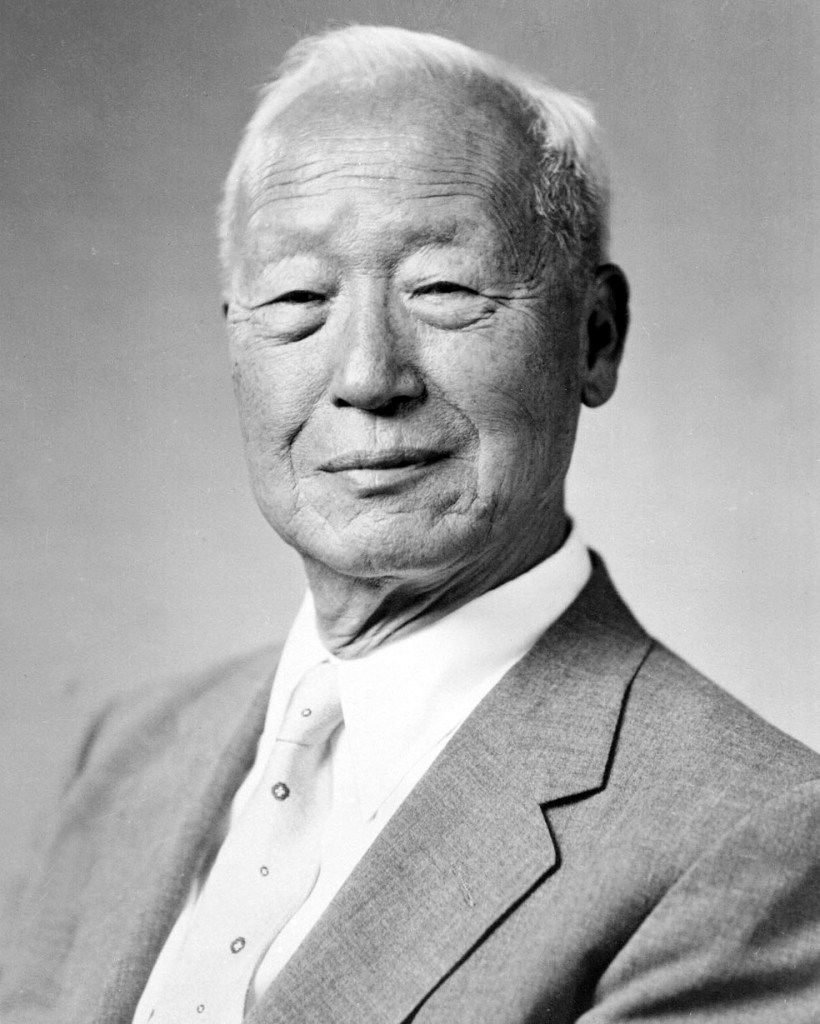
July 24th 1948, Syngman Rhee becomes the First president of South Korea.
Korean War (1950-1953)
North Korea invaded South Korea, triggering a major war that involved the United States, China, and other nations.
Key Battles: Battle of Inchon, Battle of Pusan Perimeter, Battle of Chosin Reservoir.
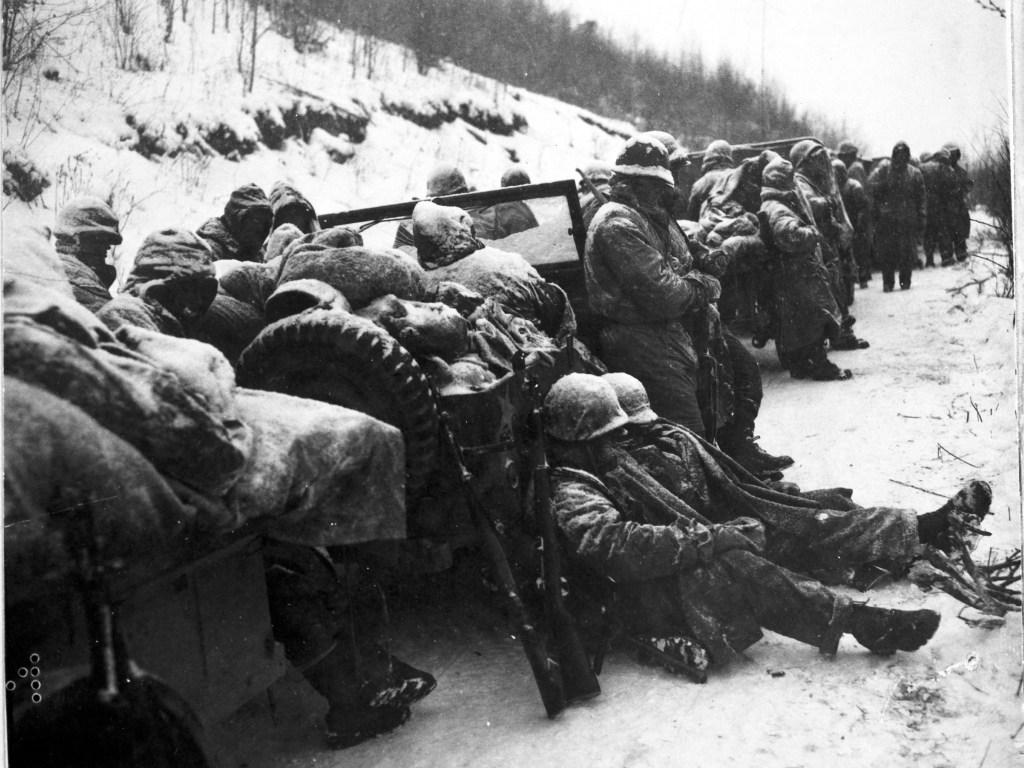
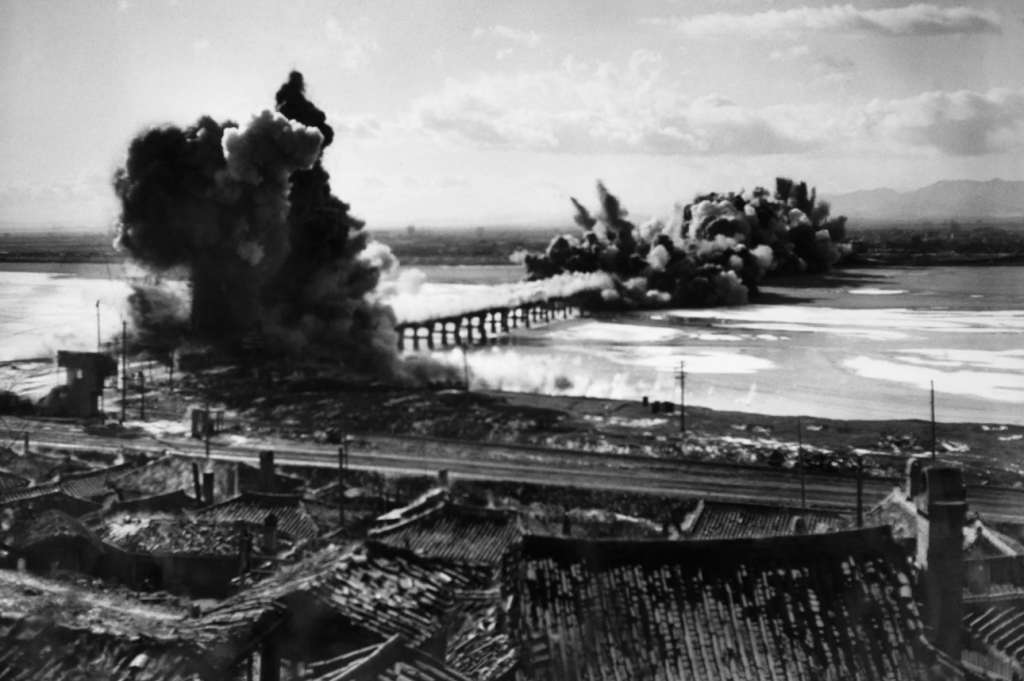

1953 Armistice: The armistice signed on July 27, 1953, halted hostilities and maintained a division between the two Koreas at the 38th parallel. There is, to this day, no formal peace treaty between the two nations.
History of South Korea
(1953-Present)
Post-war South Korea was impoverished, lagging behind North Korea economically until the mid-1970s. Dictator Park Chung-hee’s “developmental state” policies in the 1960s and 1970s, while influential, were not the sole drivers of South Korea’s rapid economic growth. Factors like normalized relations with Japan and the country’s role in the Vietnam War were crucial in integrating South Korea into the global economy, particularly with Japan and the United States. These connections facilitated the development of light industries and spurred economic growth.
1960: April 19 Student Uprising
A student-led uprising in April 1960 sparked nationwide protests, leading to the downfall of the corrupt Syngman Rhee regime. This event marked a brief period of democratic hope for South Korea.
1961: Park Chung-hee Coup
General Park Chung-hee seized power in a military coup in 1961, halting the country’s democratic trajectory. His authoritarian regime, while implementing policies that fueled rapid economic growth, also suppressed dissent and human rights. He ruled in South Korea until 1979.
1965: Normalization Treaty with Japan
The normalization of diplomatic relations with Japan in 1965 was a significant step in South Korea’s economic development. However, it was a controversial move, as Japan’s colonial past still cast a long shadow over the two nations. The treaty provided South Korea with much-needed economic aid and technology, but it also led to social tensions and concerns about cultural influence.
1970: Jeon Tae-il Self-Immolation
In a tragic act of protest, labor activist Jeon Tae-il self-immolated in 1970 to denounce the harsh working conditions faced by South Korean workers. His death sparked widespread outrage and galvanized the labor movement, leading to increased activism and calls for labor rights.

1979 Park Chung-hee Assassination
In October 1979, South Korean President Park Chung-hee was assassinated by his own intelligence chief, Kim Jae-gyu. The motives behind the assassination remain unclear, but it marked a turning point in South Korean history.
1979 Chun Doo-hwan Coup
Following Park’s assassination, a power vacuum emerged, which was exploited by a group of military officers led by General Chun Doo-hwan. In December 1979, Chun and his associates staged a successful coup, seizing control of the government.
1980 Gwangju Uprising
The military regime’s crackdown on democratic protests in May 1980 led to a popular uprising in the city of Gwangju. Citizens, students, and labor activists took to the streets to demand democratic reforms and an end to military rule. The government responded with brutal force, resulting in a tragic loss of life estimated at 1000. The Gwangju Uprising became a symbol of the struggle for democracy in South Korea.

USIS Occupation (1985)
Students occupied the USIS cultural center, demanding an end to US support for the Chun government.
Park Jong-chul’s Death (1987)
The death of a student activist under torture sparked outrage and further fueled the movement.
Gwangju Uprising Memorial (1987):
The Catholic Priests Association for Justice exposed government cover-ups, intensifying public anger.
1987 June Democratic Struggle
There was a nationwide pro-democracy movement that generated mass protests from June 10 to 29, 1987. The demonstrations forced the ruling government to hold direct presidential elections and institute other democratic reforms, which led to the establishment of the Sixth Republic, the present-day government of South Korea.
1988: Seoul Olympics
The 1988 Summer Olympics, held in Seoul, showcased South Korea’s remarkable economic and political transformation. The event was a testament to the nation’s resilience and its emergence as a global player. The Olympics not only highlighted South Korea’s rapid development but also served as a symbol of its democratic progress and international recognition.

1993: A New Era
Kim Young-sam, South Korea’s first civilian president in over three decades, took office in 1993. His presidency marked a significant turning point, as he vowed to root out corruption and hold past leaders accountable.
1995: Accountability for the Past
One of the most significant actions taken by the Kim Young-sam administration was the prosecution of former presidents Chun Doo-hwan and Roh Tae-woo for corruption and their roles in the 1980 Gwangju Massacre. Chun was initially sentenced to death, later commuted to life imprisonment. Roh Tae-woo was also sentenced to prison. While this marked a significant step towards accountability, the pardoning of both former presidents by subsequent administrations remains a controversial issue.
1997: The Asian Financial Crisis
The Asian financial crisis of 1997 hit South Korea particularly hard. The country’s economy, which had experienced rapid growth for decades, was suddenly plunged into a severe downturn. The crisis exposed underlying vulnerabilities in the South Korean economy, such as excessive debt, weak financial institutions, and a reliance on exports.
The IMF bailout package that South Korea was forced to accept came with stringent conditions, including austerity measures, interest rate hikes, and corporate restructuring. These measures, while necessary to stabilize the economy, led to significant social and economic hardship. Many South Koreans lost their jobs, homes, and livelihoods, and the crisis left a lasting psychological impact on the nation.
1998–2003 Kim Dae-jung and his “Sunshine Policy”
Kim Dae-jung’s presidency (1998-2003) marked a significant period of democratic consolidation and economic recovery in South Korea. After the devastating Asian financial crisis of 1997, his government successfully implemented economic reforms and sought foreign investment to stabilize the economy.
A key aspect of Kim’s presidency was the “Sunshine Policy,” aimed at improving relations with North Korea. This policy led to historic inter-Korean summits and reunions of separated families, earning Kim the Nobel Peace Prize in 2000.
During this time, South Korea also hosted the 2002 FIFA World Cup, a major cultural event that united the nation and showcased its growing international stature.
Late 1990’s The Hallyu or Korean Wave Begins
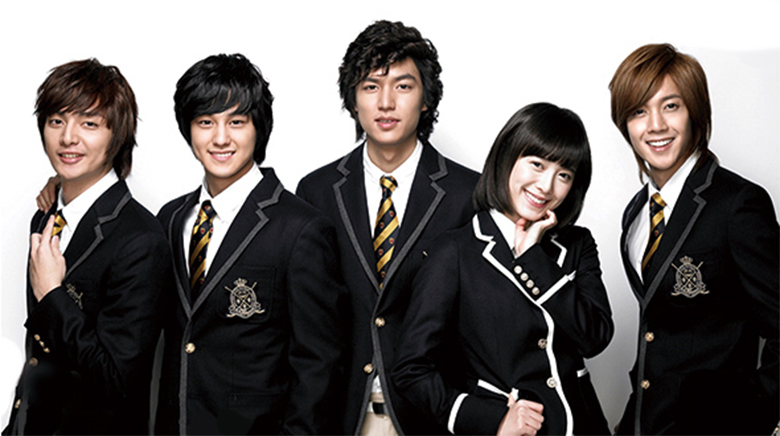
The “Korean Wave” is a cultural phenomenon that has swept across the globe, captivating audiences with its unique blend of music, dramas, films, and fashion.
K-pop, a genre of popular music characterized by catchy melodies, synchronized dance moves, and visually stunning performances, has become a global sensation. K-dramas, with their compelling storylines, well-developed characters, and stunning cinematography, have captivated audiences worldwide. Korean films, such as “Parasite,” have achieved critical acclaim and international recognition.
The Korean Wave has not only boosted the South Korean economy but has also enhanced the country’s international reputation. It has fostered cultural exchange, increased tourism, and strengthened diplomatic ties with other nations.
2013–2017 Park Geun-hye

Park Geun-hye was South Korea’s First woman President. Her reputation during her presidency was marred by her incompetency of handling the Sewol ferry disaster, the 2015 MERS outbreak, and a major scandal.
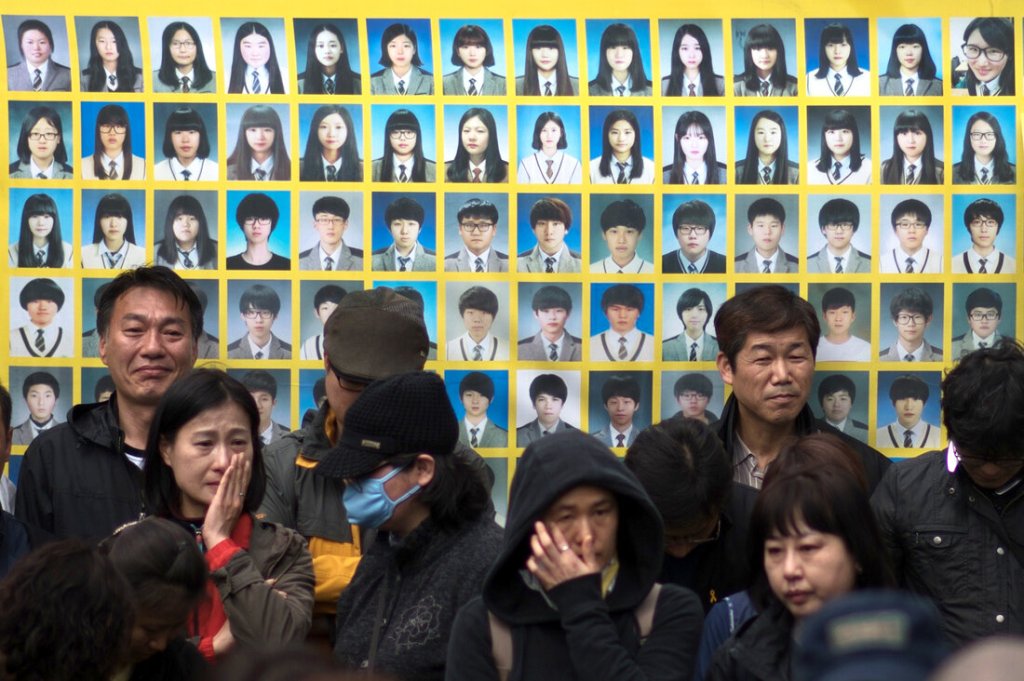
2017 The Sewol Disaster
In 2014, South Korea was shaken by the tragic sinking of the Sewol ferry. The disaster, which claimed the lives of over 300 people, primarily high school students, sparked widespread public outrage and criticism of the government’s response. Investigations revealed serious negligence and corruption, including overloading the ferry and improper cargo handling. The incident led to significant public distrust in the government and President Park Geun-hye.
2015 MERS Outbreak
In 2015, South Korea experienced a significant outbreak of Middle East Respiratory Syndrome (MERS). The virus spread primarily through hospitals, leading to a high number of infections and fatalities. The government implemented strict quarantine measures to contain the outbreak, but it had a significant impact on the country’s economy and public health system.
2016 Scandal
Park is embroiled in scandal in 2016 when it is revealed that Choi Soon-sil, a woman with no position in the government, had access to classified materials, impacted Park’s policies, and used her close relationship with the president for financial gain. In 2016, the largest protests that South Korea had seen since the 1980s break out around the nation in reaction to Park’s actions. Park is impeached in late 2016 and sentenced to 24 years in prison in 2018.
2017–2022 Moon Jae-in
During his tenure as president, Moon Jae-in saw an improving political relationship with North Korea, some increasing divergence in the military alliance with the United States, and the successful hosting of the Winter Olympics in Pyeongchang. Moon Jae-in met with North Korean chairman Kim Jong Un at various summits giving hope for peace between the two countries.

2020: COVID-19 outbreak
President Moon gained a positive reputation both domestically and internationally with the initial successes of controlling the outbreak. Subsequent outbreaks in 2021, however, caused his ratings to plummet.
Also as of 2021, South Korea recorded more deaths than births, resulting in a population decline for the first time on record.
Since 2022 Yoon Suk-yeol is the president of South Korea.

October 29 2022 Halloween Crush
At least 153 people were crushed to death when a crowd surged in an alleyway during Halloween festivities in Seoul’s Itaewon district. President Yoon declared a state of official national mourning.
June 23, 2023: Unifying Calculation of Age
The “Unification Act on the Calculation of Age” took effect on June 28, 2023. The “Unification Act on the Calculation of Age” was promoted to resolve social and administrative confusion and disputes arising from the mixing of various age calculation methods.
2024 South Korea faces various social issues, including aging population, low birth rate, and income inequality.
To be continued… I wish this country all the best for its people. It would be so amazing to see the Korean people reunited as one country.
 My Virtual World Trip