I realized the existence of South Korea quite late in my life. To be precise 2016! While talking to a friend of mine about what TV series he was watching, he mentioned that he had gotten into KDrama. And I said… What is that? ^ ^ Fast forward and I know a lot about South Korea! In first instance because I had a crush (or various ones! ) in South Korean actors but then because I fell in love with its unique culture. One of the aspects that I absolutely fell in love with was the food. In particular the soups!
It is incredible how one can live one’s whole life and not try the food of a country in this huge world. I was glad to discover Korean food in my life time (thought it was quite late) and today I will share my experiences and favorites! Ready? Let’s begin with I would say the number one dish of South Korea… it is something they add to a lot of foods… red… yes! Kimchi!
I remember the first time I tried Kimchi. I think my mouth turned in absolute disgust in every direction. Bitter, sour, spicy hot, just most of the flavors I do not find pleasant! But I imagine that when you grow up with it you get this acquired taste and can learn to love it. I have grown accustomed to it but I have to say I like it added to other foods and preferably sweet meats… Yummm!
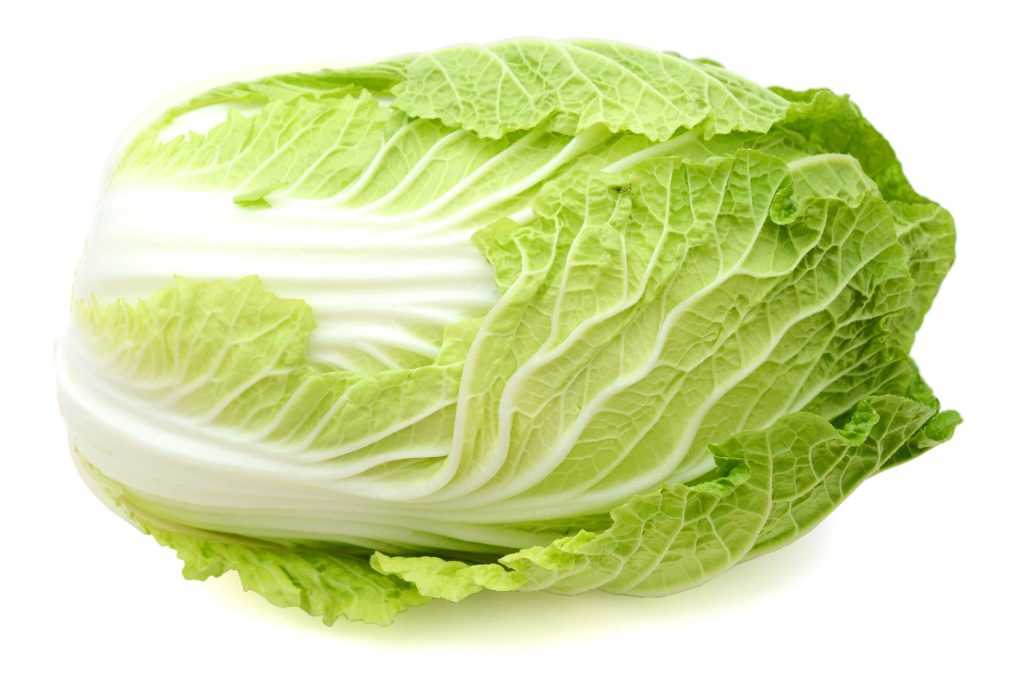
Now let’s learn about the history of Kimchi. The creation of this dish started about 1000 years ago as Koreans were trying to make their vegetables last through the winter. Pickling different vegetables became a tradition. Later as time went by, in the 16th century they added red chili pepper. Some vegetables became favorites and “Napa” cabbage became number 1! This is what Napa Cabbage looks like:
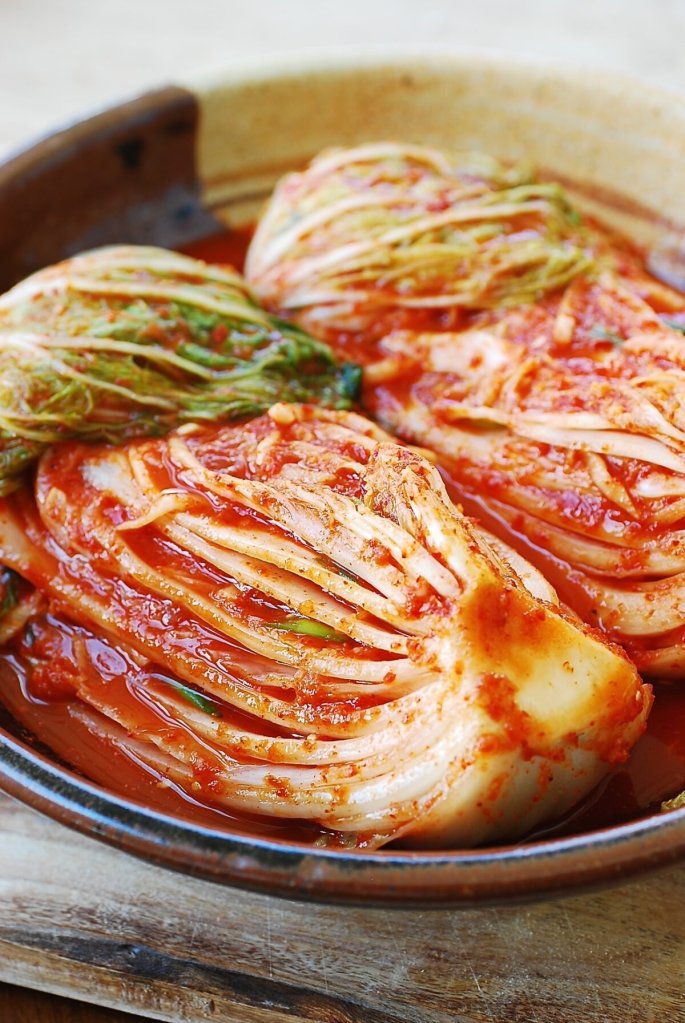
And this is what it looks like when it has become Kimchi:
Here is what traditionally it would have been like… … but see the jars in the back? they are called Onggi. They would have filled these Onggi with Kimchi and pickeled vegetables and buried them in the ground to preserve them… like a natural refrigerator!
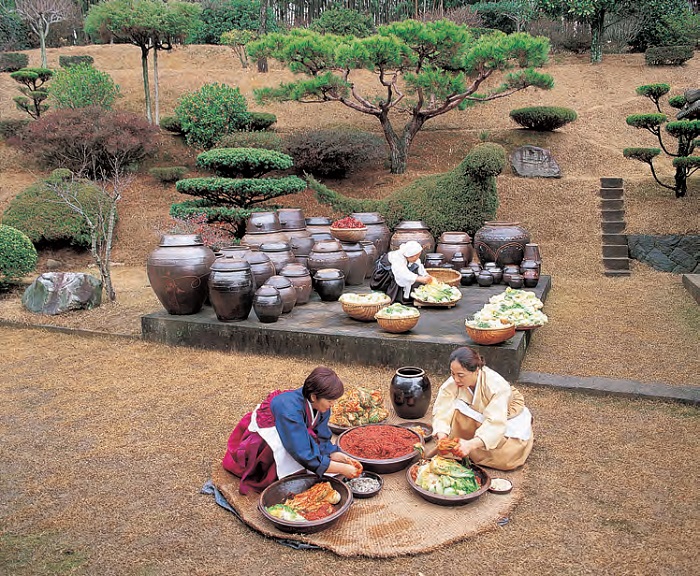
The process of making Kimchi is a family affair and has a name: ‘Gimjang’. It is an annual Korean tradition when families come together to collectively prepare large batches of Kimchi. This communal effort strengthens familial ties and preserves their cultural heritage. As Korean society is changing, men and boys are participating more and more in the making of Kimchi. Here is a sweet video where one of my actor crushes of South Korea, Jung Il-woo prepares Kimchi with his mom and grandma during the Covid 19 pandemic:
Isn’t he the sweetest? Kimchi’s nutritional prowess extends beyond its cultural significance, earning it the esteemed title of ‘superfood’ as it is rich in vitamins, probiotics, and antioxidants. They even have a proverb that states, ‘Kimchi a day keeps the doctor away.'” ^ ^ They make many types of Kimchi, below on the right is one of my favorites: Kimchi cucumbers!


I had the chance to make Kimchi… it was was easy as the host preapared everything and we just followed along. These are some photos of this day…

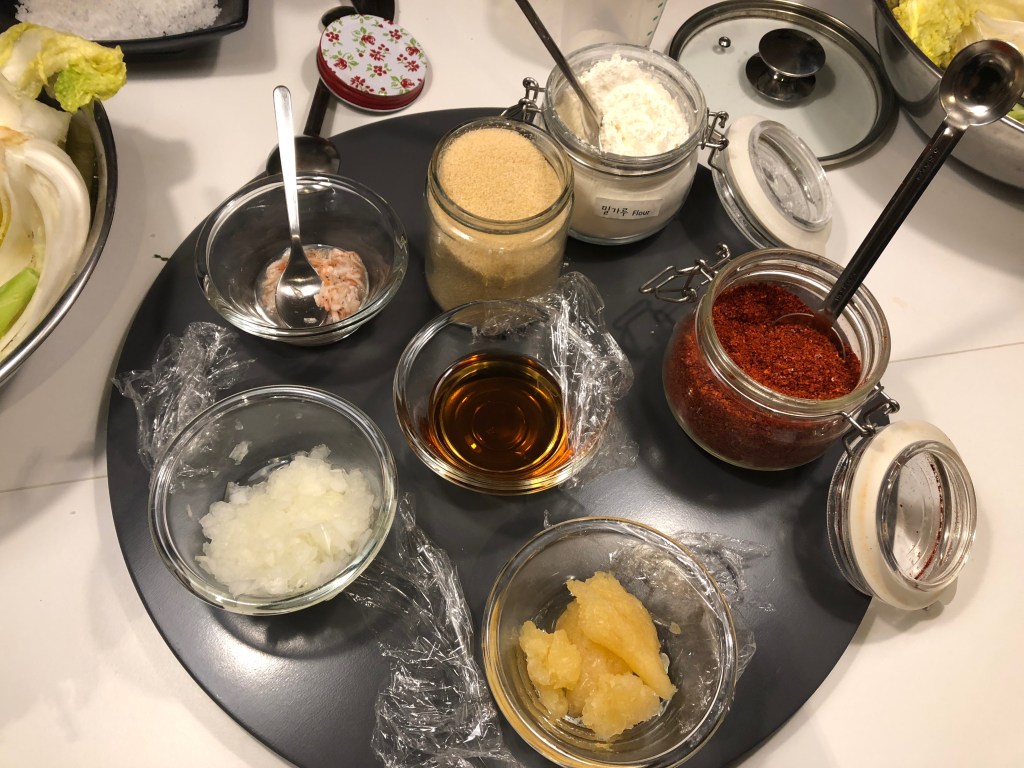

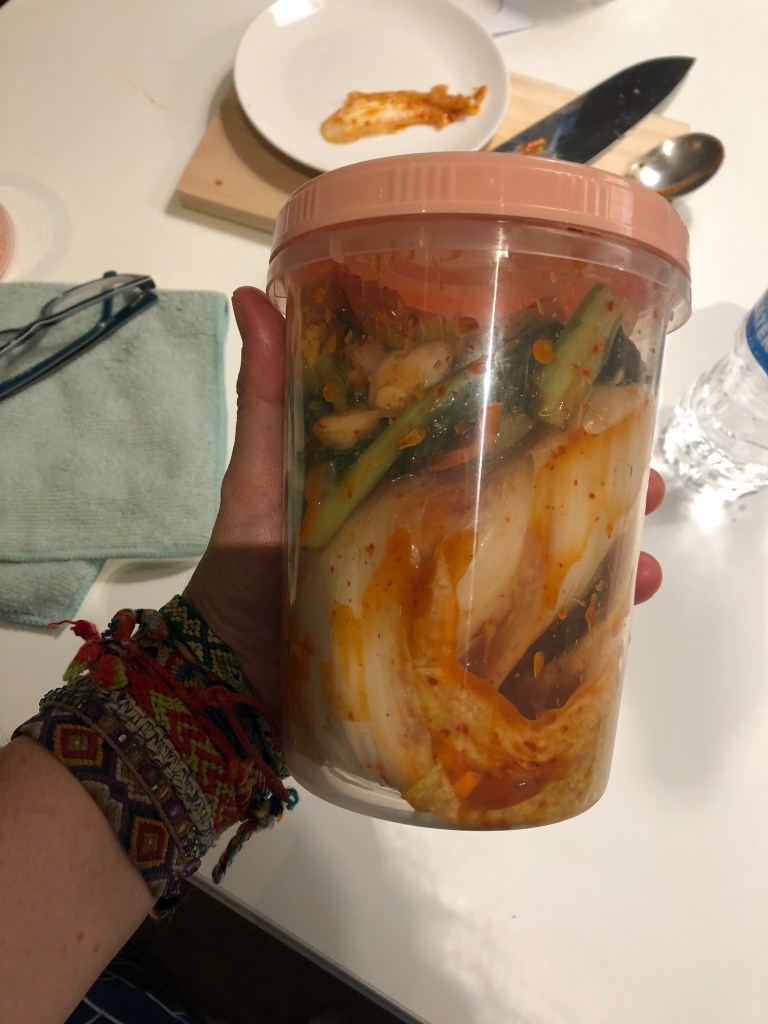
But I will say that Kimchi tastes so much better in South Korea! Maybe because the food tastes better?
They use Kimchi it in little side dishes (Banchan) that they serve before a meal. The more people the more you get of these little dishes!
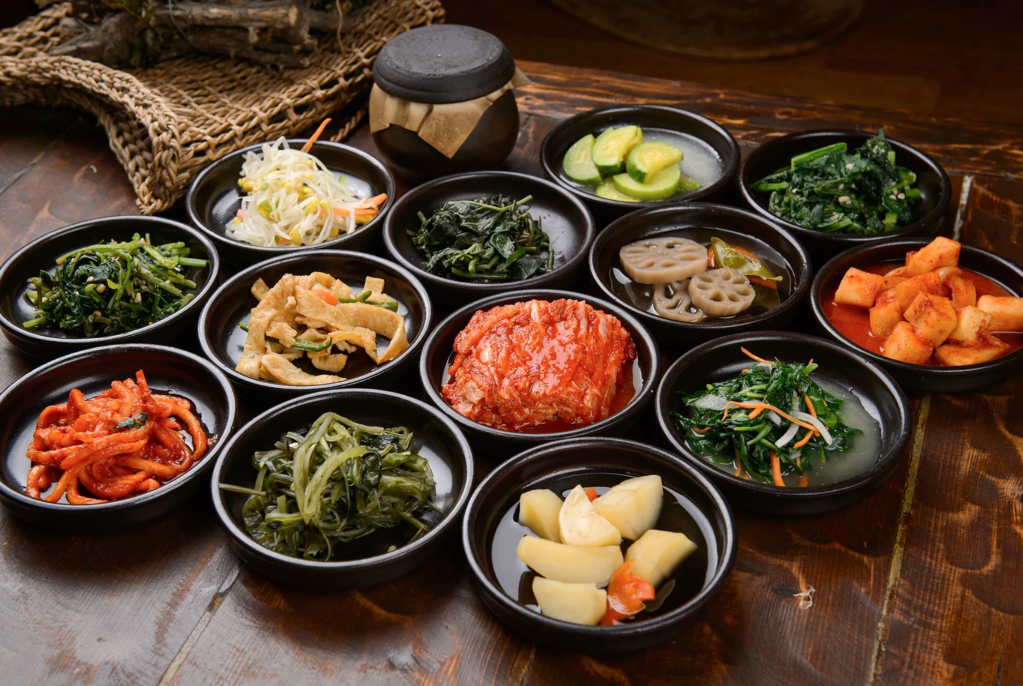
Koreans use Kimchi in so many dishes! This was one of my favorites: Kimchi rice!

Oh geez, I’m starting to crave it… and as I segway into soups, it won’t get better! There are so many that I love… they are both so delicious and good for you! The first is very popular and it is made with a lot of Kimchi:
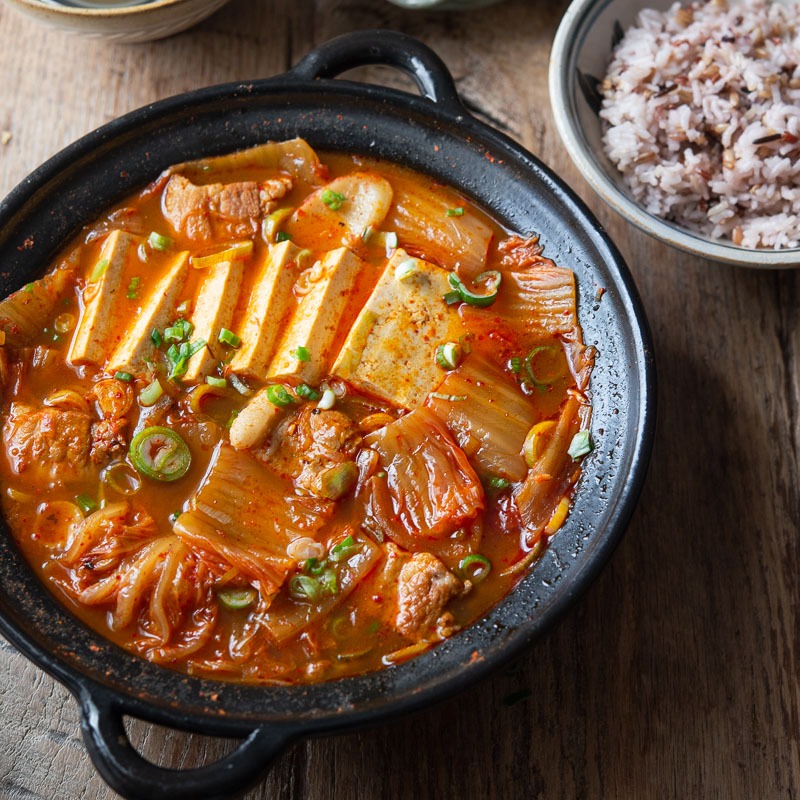
Kimchi Jjigae
This soup is souper comforting. ^ ^ (Had to do that!) It typically features simmered kimchi, tender pork belly, and soft tofu, all swimming in a deeply satisfying broth. The kimchi provides a tangy, spicy kick, while the pork adds richness and the tofu offers a comforting, soft texture. It tends to be very spicy.
Like many other Korean dishes, kimchi-jjigae is usually eaten communally from the center of the table if more than two people are served. It is accompanied by traditional side dishes (banchan) and rice. It is usually cooked and served boiling hot in a stone pot.
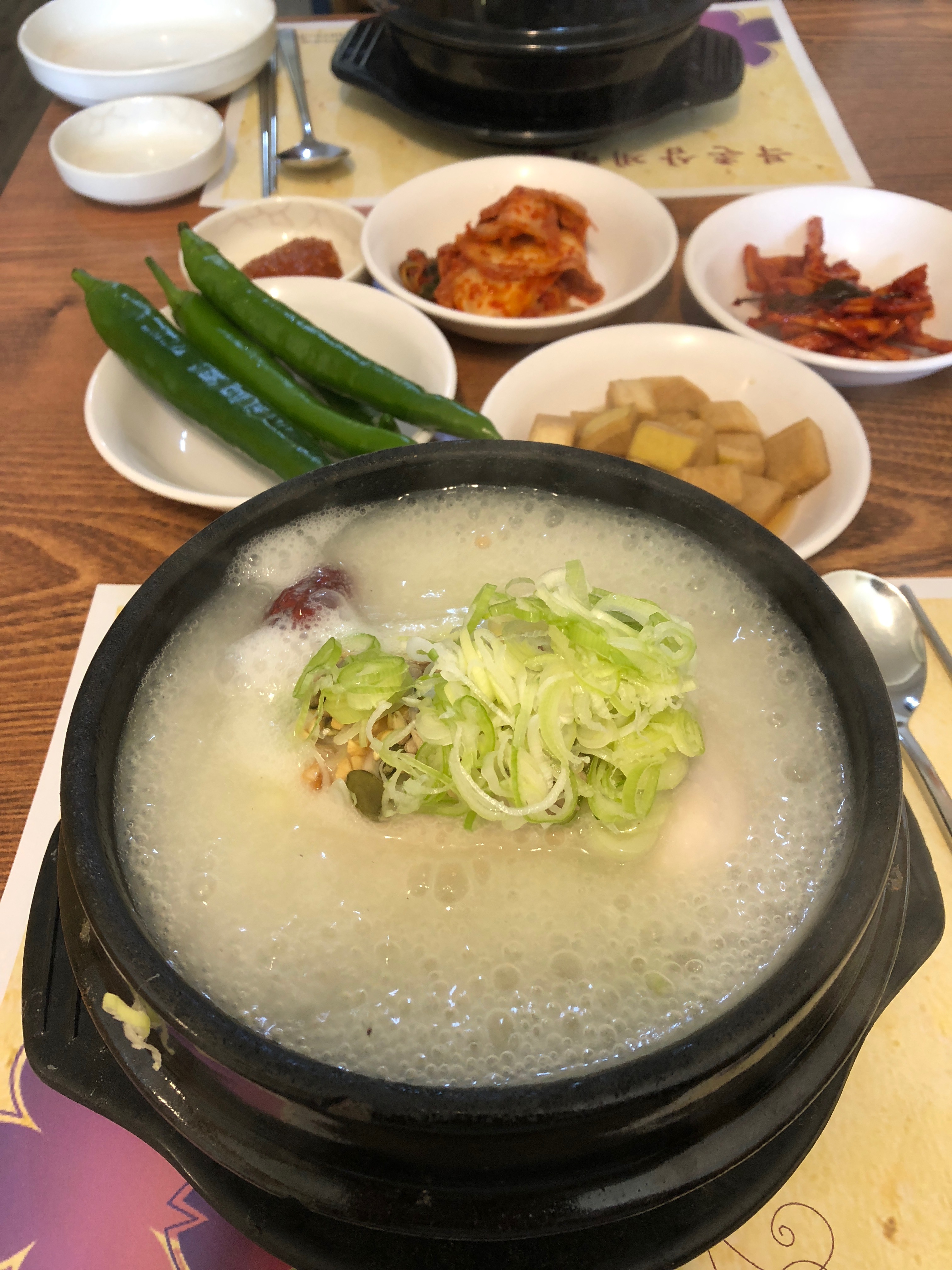
samgyetang
This is my favorite Korean soup and one of my favorites. I had the chance to eat it on a day when it was 96º! There is a very curious tradition where they eat really hot things on really hot day. They call it “Yi yeol chi yeol” (이열치열) that translates to “fight fire with fire.” Koreans believe that they can induce sweating and ultimately achieve a cooling effect.
This soup has a a whole small chicken in it! It is stuffed with rice, a root of ginseng and a date. It is so flavorful!
This is the one I had:

And here is a video on how to make it…
Doenjang jjigae (된장찌개)
This is a stew made with fermented soybean paste, doenjang (된장). It is very similar to Kimchi Jjigae, except here the star flavor is the soybean paste, not the Kimchi. The paste comes in these containers and one finds them in the condiments section near the chili paste. I would say that after chili paste, this is the second most important paste like condiment that Koreans use in their cuisine. A staple!


The broth of this soup is also made from anchovies, so it is very flavorful. The final soup has a brownish color like the paste:

There is a great recipe in this BLOG without any ads jumping at you, if you wish to try it. It is very easy to do!
I was curious about how this paste is made so… I found this video. It is fascinating!
Seolleongtang (설렁탕)
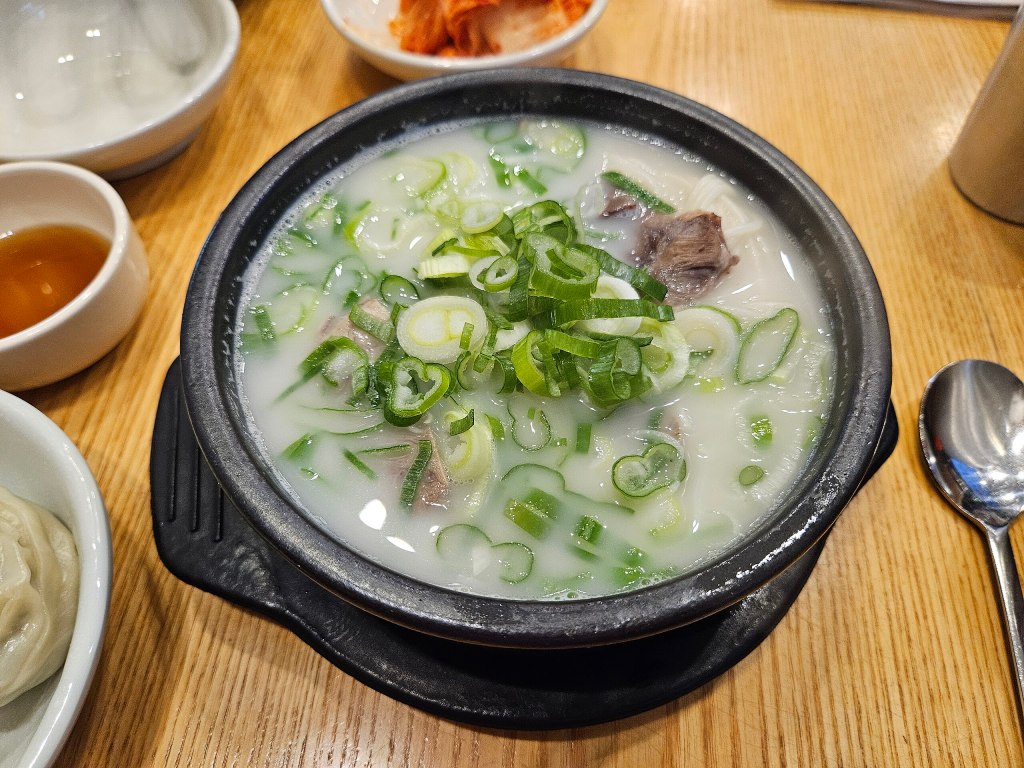
Seolleongtang, a Seoul specialty, is a Korean beef bone soup renowned for its delicate flavors. Crafted from a slow-simmered blend of ox bones (primarily leg bones), brisket, and other cuts, the soup develops a rich, milky-white broth over hours, sometimes even an entire day. This gentle cooking method allows the bones to impart their essence fully.
Diners typically season Seolleongtang at their table, adding salt, pepper, red pepper flakes, garlic, and spring onions to suit their preferences. The soup is often enjoyed with steamed rice, sometimes incorporated directly into the broth. Here is a photo:
Miyeok-guk (미역국)
Miyeok-guk or seaweed soup is a non-spicy Korean soup whose main ingredient is miyeok, or seaweed. It is traditionally eaten as a birthday breakfast in honor of one’s mother and by women who have given birth for several months postpartum.
The custom of consuming Miyeokguk postpartum dates back to the Goguryeo period, inspired by the observation of whales consuming seaweed after giving birth. This practice is believed to support the mother’s recovery by replenishing iron levels, crucial after blood loss during childbirth.
Furthermore, Miyeokguk holds deep cultural and spiritual significance. It is traditionally seen as an offering to Samsin Halmoni, the goddess of childbirth, expressing gratitude for a safe delivery. On birthdays, consuming Miyeokguk honors mothers for the incredible act of giving birth, acknowledging the profound impact they have on their children’s lives.
Isn’t this tradition absolutely lovely!

I wanted to see what the goddess Samsin Halmoni looked like… this is one interpretation:

So those are my favorite soups that I have tried. Now I’ll share a cold soup that is eaten during … yes! the winter time but really all year round as Koreans absolutely love it. It is called:
Mul Naengmyeon
Naengmyeon is a beloved noodle dish originating from North Korea. It features long, thin, and often handmade noodles crafted from a variety of flours and starches, including buckwheat, potatoes, sweet potatoes, arrowroot, and kudzu. While often called “buckwheat noodles,” buckwheat is just one ingredient, with other starches contributing to the unique texture and flavor. Some regional variations utilize seaweed or green tea in the noodle preparation.
There are two versions of it, Mul Naengmyeon and Bibim Naengmyeon. Mul Naengmyeon is served as a cold noodle soup made from beef, chicken or dongchimi (is a variety of kimchi consisting of Korean radish, napa cabbage, scallions, pickled green chilli, ginger, Korean pear and watery brine) broth.
In the case of Bibim Naengmyeon, a bowl of broth used in Mul Naengmyeon or plain broth from the boiled noodles itself are often served on the side. This broth can be served hot or cold depending on the restaurant and type of broth. Boiled eggs and sliced cucumbers are often added as a garnish.
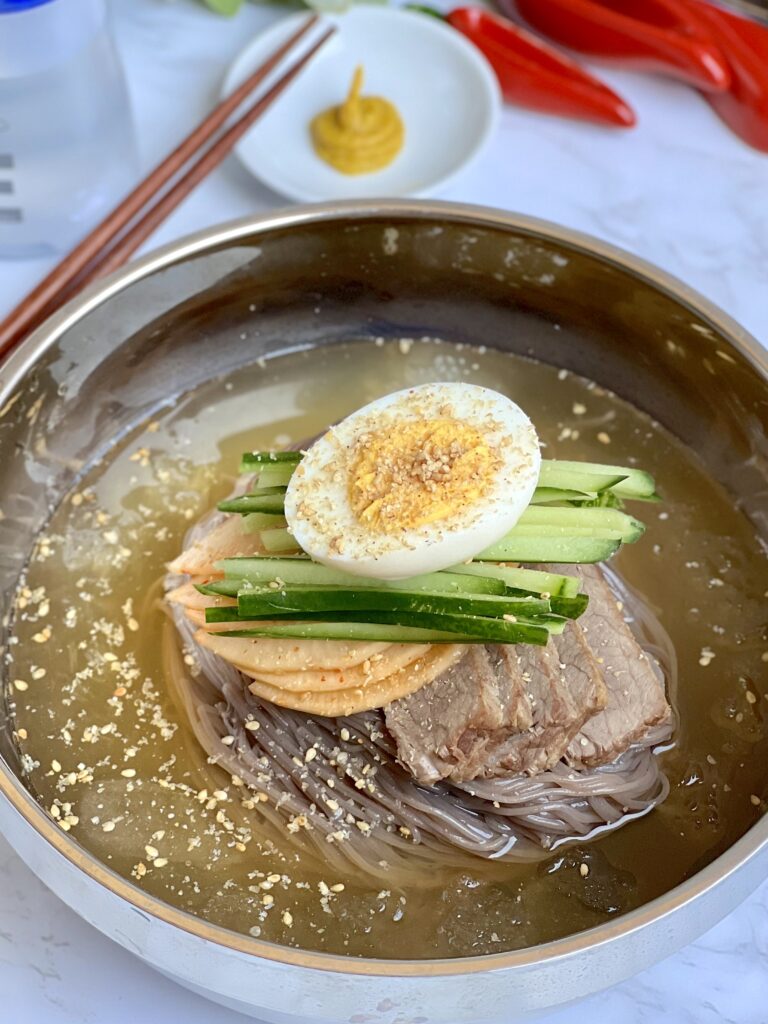
I had the chance to try this soup in a really famous restaurant in South Korea that serves it. Sadly I can’t find the photos. But I didn’t like it too much.
And with this winter soup I end this post on Korean Food focusing on soups… it couldn’t be more timely as today we had a low of 6ºF (-14ºC).
For my next post, I will share with you my favorite Korean dish… I will attempt to make for the first time!
Until then, have a souperb time! ^ ^
 My Virtual World Trip
Hola María Gabriela.!
Muy completo y bien organizado tu post sobre las sopas de Corea del Sur. Son muy diferentes a las que nosotros tomamos.
Me gusto mucho cuando la preparan en grandes cantidades y participa la familia. También como sirven la mesa con muchos pequeños platos.
Felicitaciones y quedó pendiente de tu próximo Blog
Aida
LikeLike
¡Muchisimas Gracias mami! Me alegro que te gusto. Tal vez nos animamos algún día a cocinar algo Coreano juntas!
LikeLike