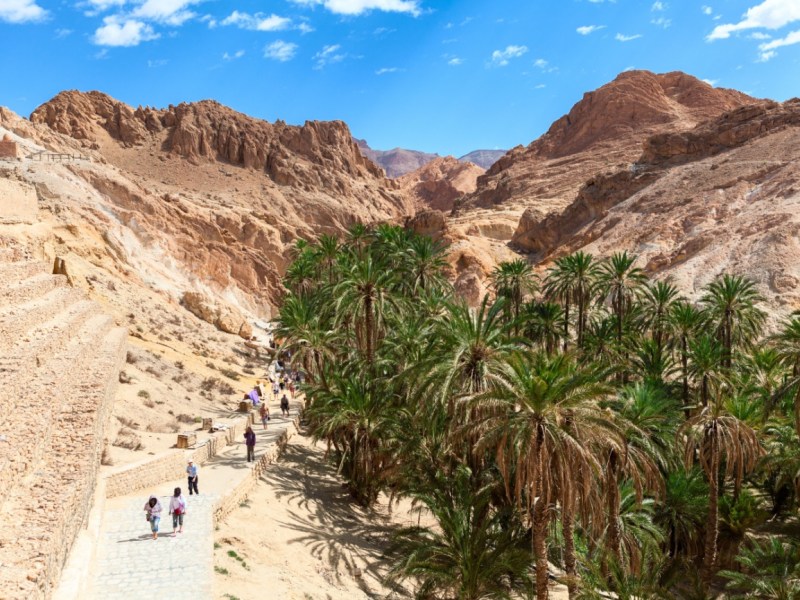
Geography of Tunisia
Tunisia is a North African country occupying approximately 63,170 square miles (163,610 km2) total, with approximately 3,185 square miles (8,250 km2) of water. It borders the Mediterranean Sea and is flanked by Algeria to the west and Libya to the southeast. Tunisia has the northernmost point of continental Africa: Cape Angela (also known as Ras Angela or Rās ben Sakka), a rocky headland located in the…
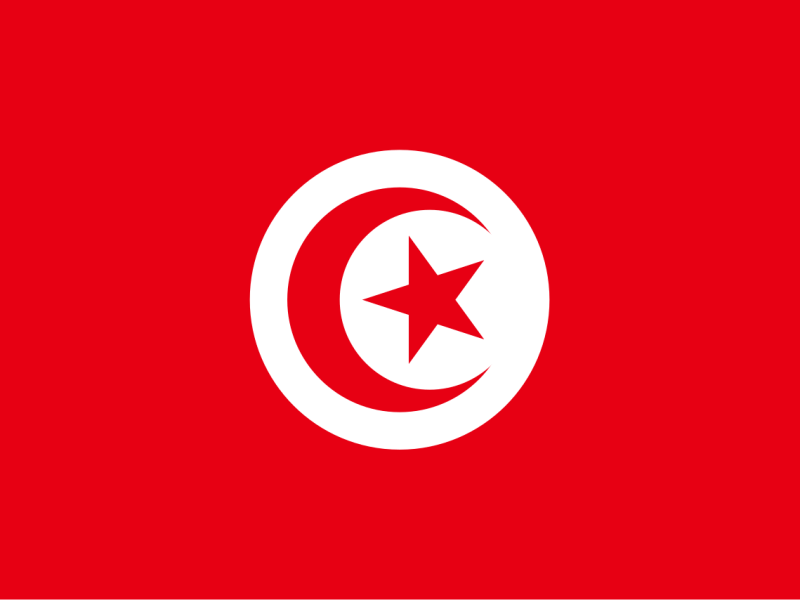
General Facts About Tunisia
Tunisia, officially known as the Republic of Tunisia, is a nation situated in the Maghreb region of North Africa. This country is bordered by Algeria to the west and southwest and Libya to the southeast. Its extensive northern and eastern coastlines meet the Mediterranean Sea. Furthermore, Tunisia shares significant maritime boundaries in the Mediterranean, primarily with Italy via the islands of Sicily and…
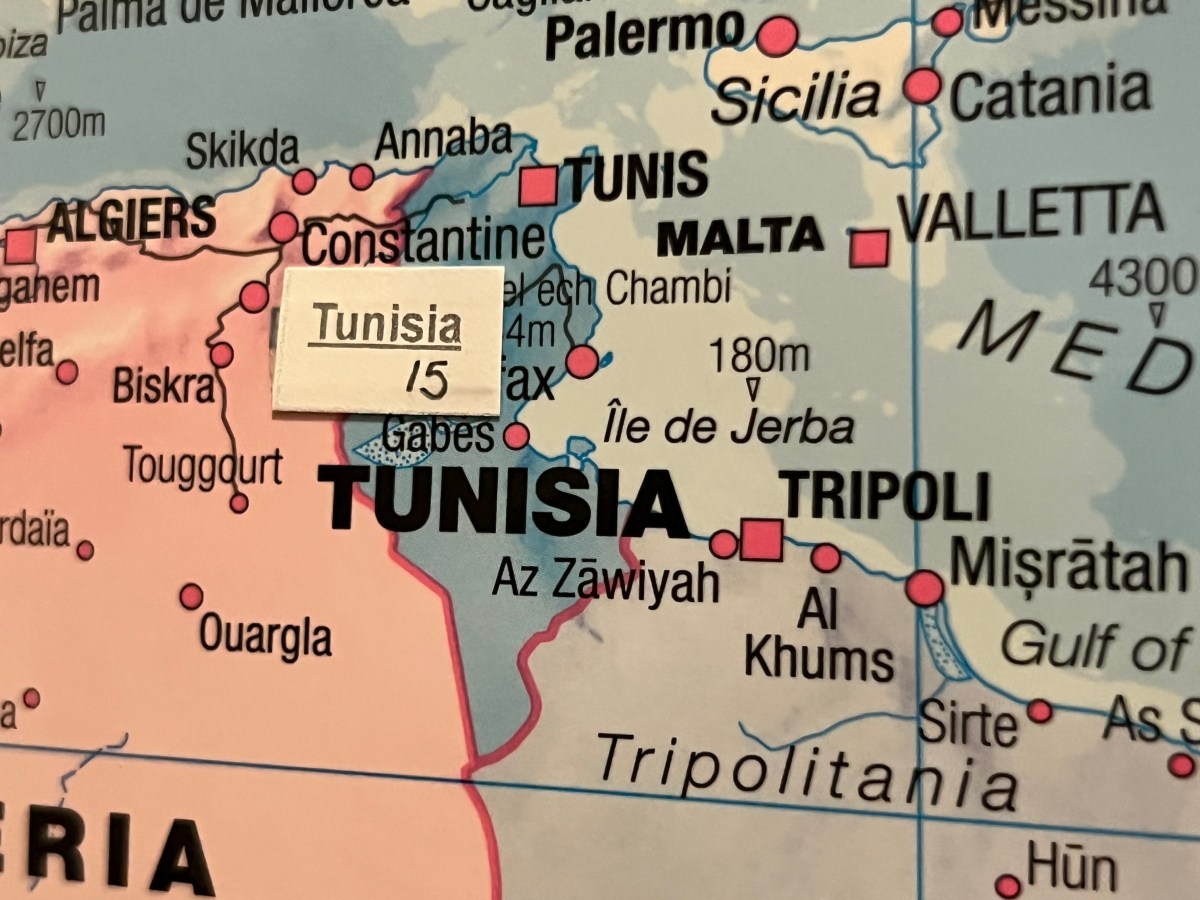
Tunisia is country #15
Hello! Yes! We are off to Africa! We’ll be traveling in Tunisia. I know nothing about this country so I’m so excited to learn about it. I only know that some of Star Wars Tatooine was filmed there! ^ ^

My Mexican Angel
It was really hard for me to decide what artist to base my Mexican angel on. I admire the craftsmanship and art from Mexico so much… but seeing Mario Castillo’s “The Ancient Memories of Mayahuel’s People Still Breath” this past August sealed the deal. I really loved what he calls “Peceptionism”, in other words how…

The Mexican Muralist Movement. Part II
I decided to write the post to share the murals I saw when I visited Pilsen in Chicago, U.S. Here immigrants from Mexico started to settle after World War I as there was a lot of demand for industrial labor. By the late 1960’s, the Mexican population had grown to become the majority of Pilsen’s…

The Mexican Muralist Movement.
The Mexican Muralist movement is widely considered the first major public art movement in the modern world. Unlike earlier murals that often served religious or purely decorative purposes, the Mexican Muralism movement was explicitly born out of a post-revolutionary political and social mission. The government commissioned artists to create art that would educate an often-illiterate populace about national history,…

Surrealist Female Artists in Mexico
Imagine yourself a woman in 1940’s in Europe and wanting to be an artist. The place was way too oppressing with the war and its aftermath and also with the fact that art was dominated by men. Women were only seen as muses. So … a few women decide in their different situations to immigrate…
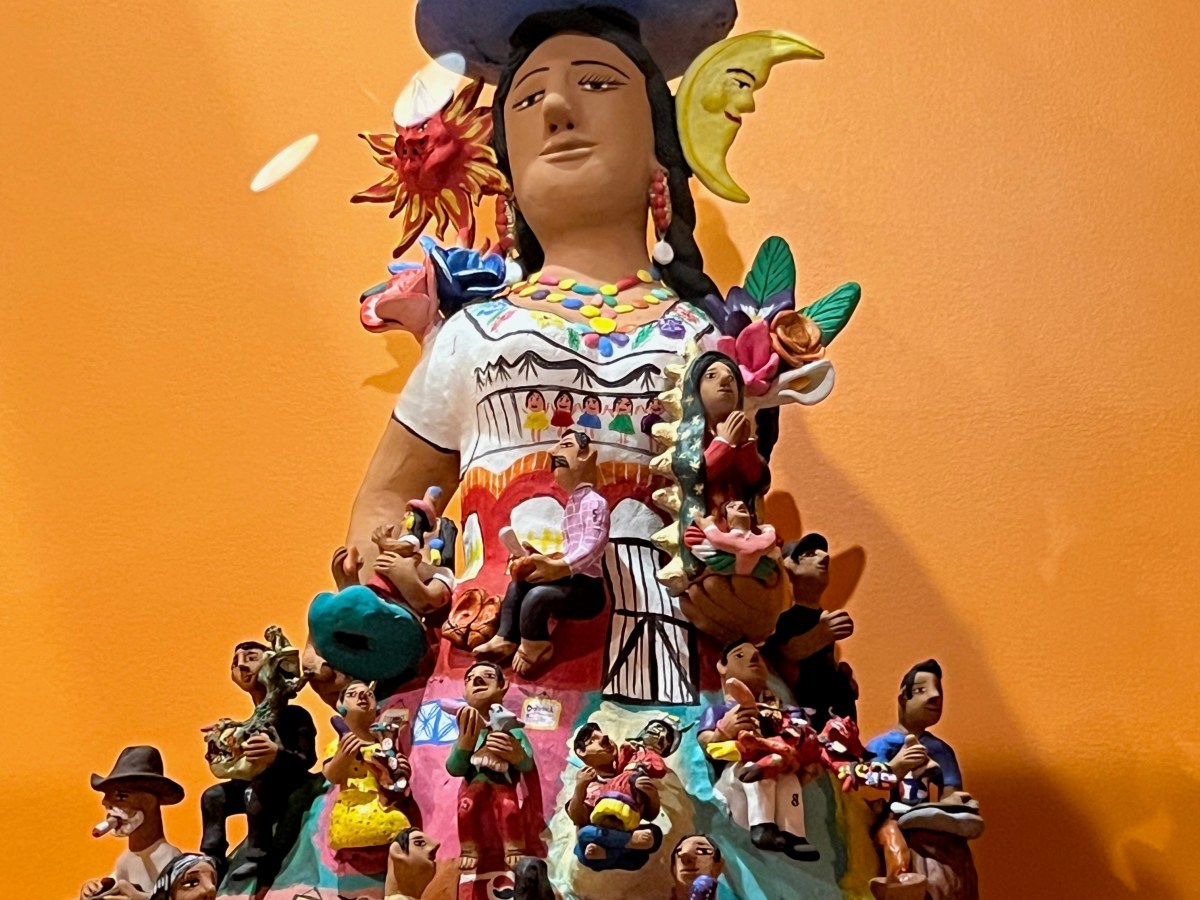
Crafts from Mexico
Just like their dancing, the crafts of Mexico are historic, alive today and so varied! Of all the countries I have visited in my life, Mexico was by far the one that I felt in awe of how intertwined crafts are to their daily lives as many people still make a living this way. I…

La Guelaguetza, a festival from Oaxaca.
The origins of La Guelaguetza are deeply rooted in the history of the Zapotec and Mixtec peoples of Oaxaca. The word “Guelaguetza” comes from the Zapotec language and means “reciprocal exchanges of gifts and services,” a concept of community sharing that is central to the festival. Originally, the celebration was a pre-Hispanic ritual on the Cerro del Fortín to honor Centeótl, the…
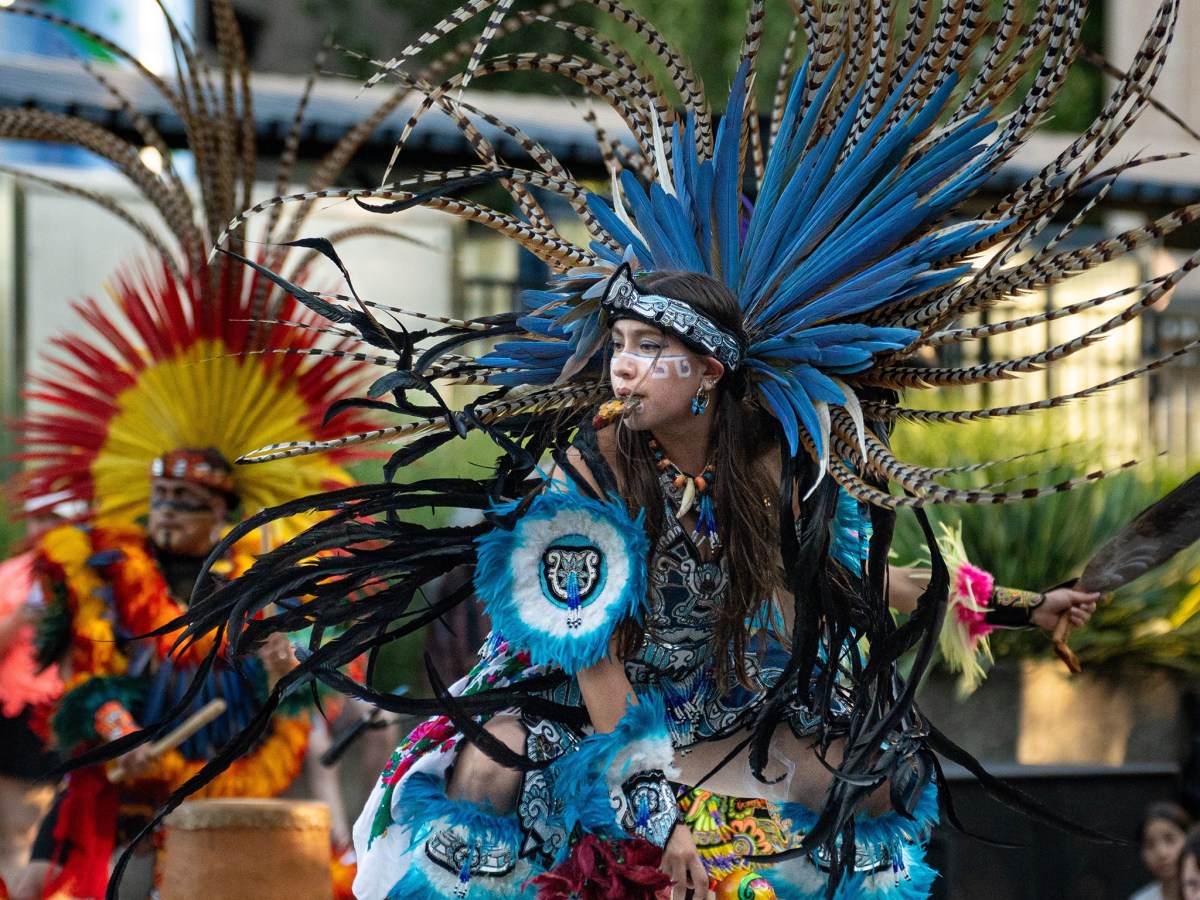
Mexico’s Folk Dancing
Mexico has a rich and diverse heritage of folkloric dances, known as baile folklórico, which are deeply tied to the country’s history and regional identity. These dances are a fusion of indigenous traditions, Spanish influences, and, in some areas, African and Caribbean rhythms. Each region has its own unique style, music, and costumes that tell…
Something went wrong. Please refresh the page and/or try again.
Follow My Blog
Get new content delivered directly to your inbox.
 My Virtual World Trip