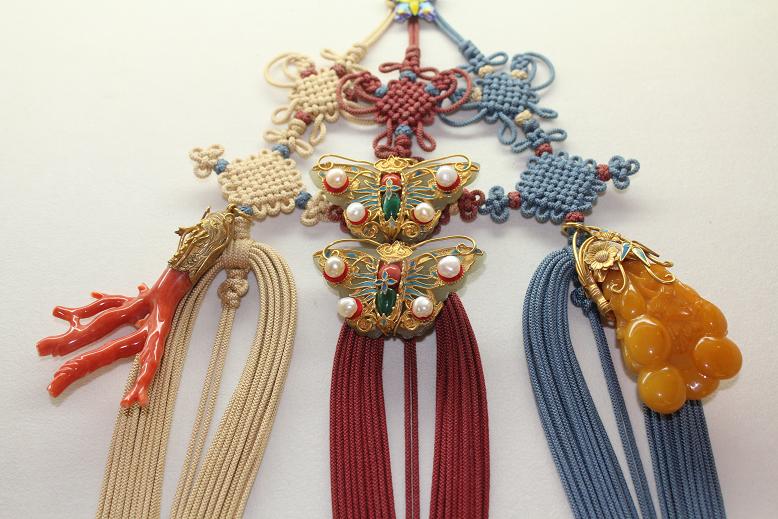
Happy New Year 2025!
I was going to make this post about textiles in general, but I decided that it was too broad and decided to concentrate on one aspect… Korean knots. I fell in love with this art form when I visited South Korea and I really wanted to know more about how they originated, what are some of the most used and their symbolism.
Korean knots, traditionally known as maedeup (매듭), constitute a time-honored handicraft with roots in the Three Kingdoms period. Their evolution has been significantly influenced by Chinese knot-tying techniques.
The need for the use of knots in its origin, shared the same use as much of man kind: for practical uses when carrying weapons, tying garments, hanging food, creating nets for fishing, communication and record systems. It is in the Three Kindom’s period that the purpose of knotting in Korea begins to change towards a decorative art.
According to Wikipedia, the oldest record of maedeup can be found in Goguryeo painting which dates from 357 AD. (I couldn’t find this painting online).
During the Goryeo dynasty (918-1392), maedeup, is evident in Buddhist murals and paintings. These artworks provide valuable glimpses into the aesthetic and cultural significance of knots during this period. While no physical examples of Goryeo-era knots have survived, their presence in these artistic depictions suggests they were not merely functional but also served as decorative embellishments for accessories and art objects.
Notice the knots hanging on the right side of the following painting and in the chest:
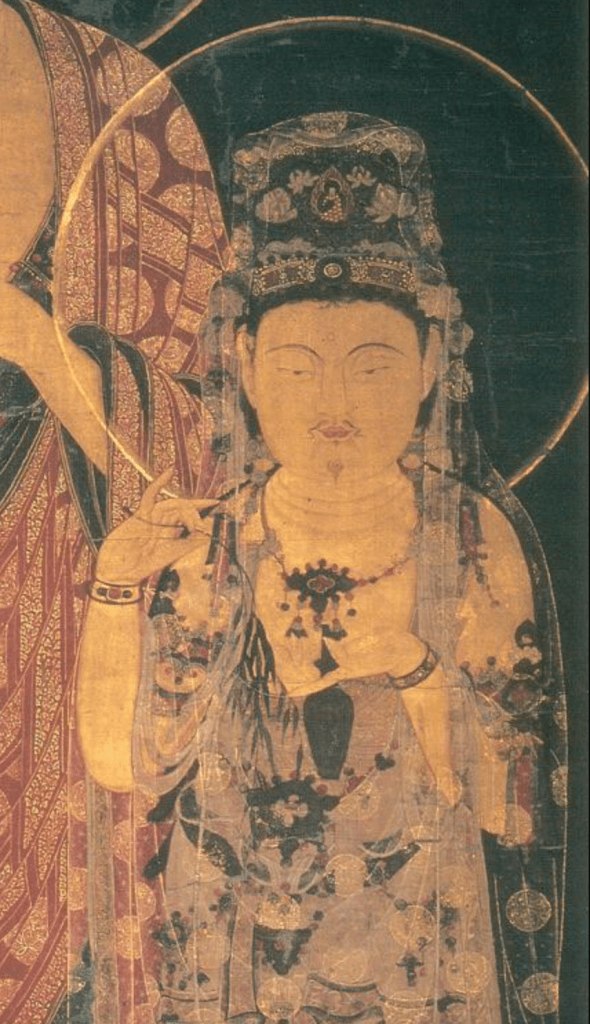
Cr. Wikimedia Commons.
The Joseon dynasty (1392-1910) witnessed a flourishing of knot-tying techniques, with designs becoming increasingly intricate and diverse. Maedeup ascended to a symbol of high social standing, particularly within the royal court, where they were considered a hallmark of dignity and prestige. These intricate knots adorned a wide array of objects, from traditional musical instruments and clothing, especially women’s garments and accessories such as necklaces, pendants, and earrings, to the opulent furnishings of the royal palace itself.
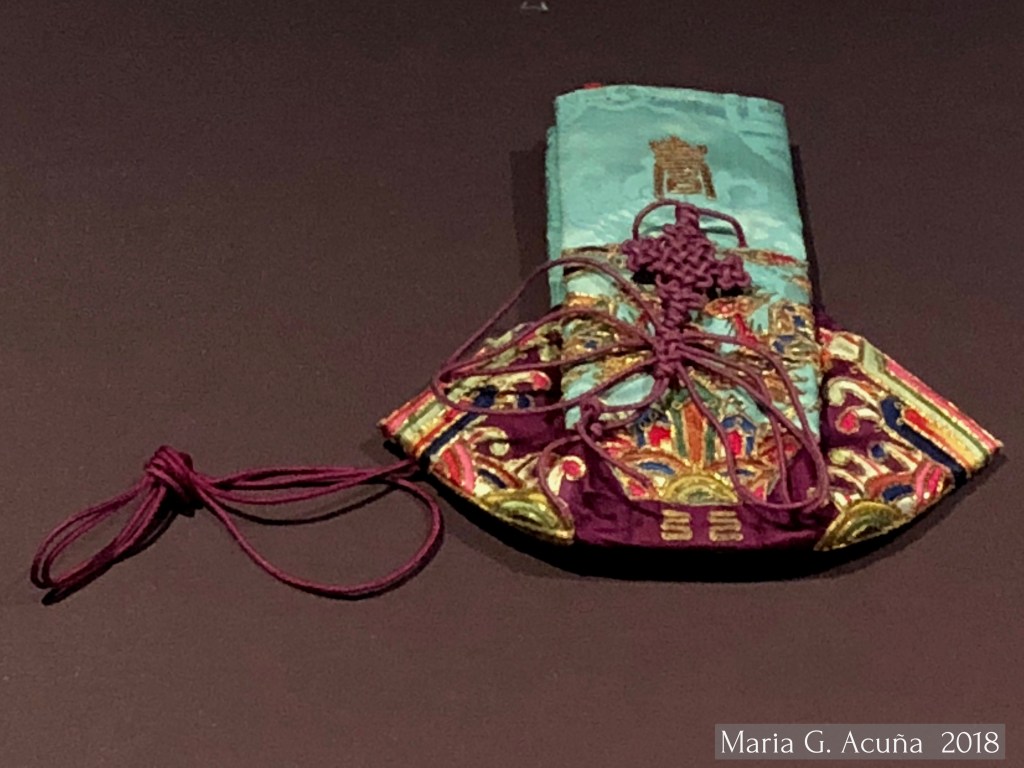
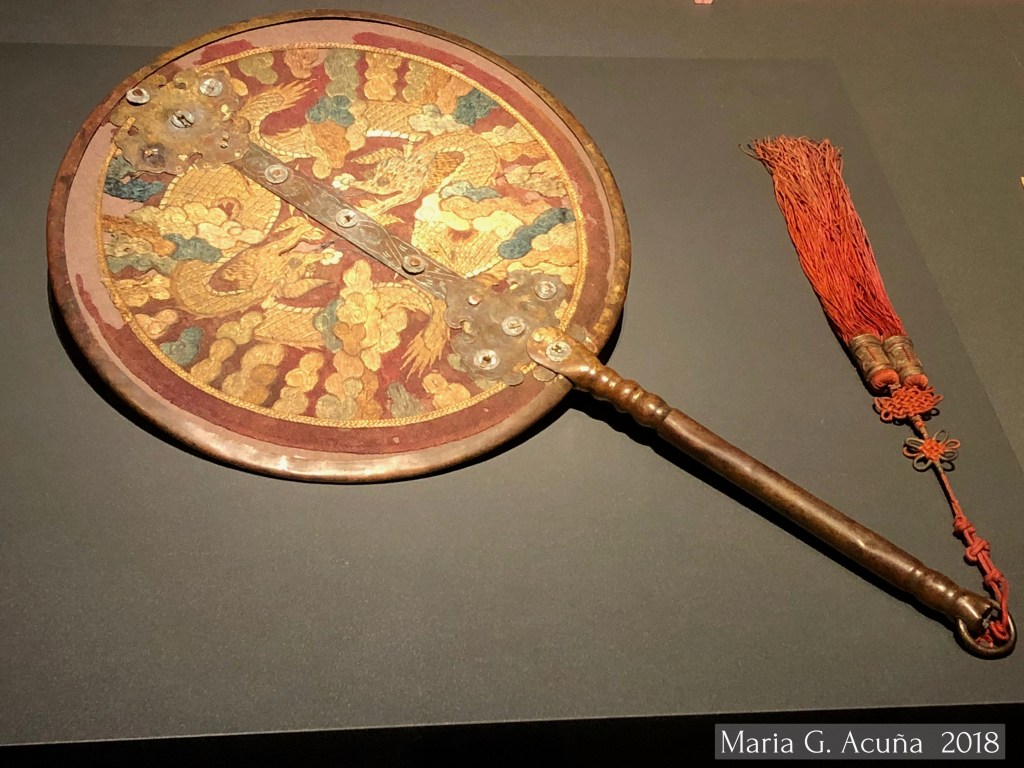
Here are some examples of the use of knots as an art form during the Joseon Period. This I took when I visited the National Museum of Korea:

I saw these at the National Palace Museum:


Below are examples that are found at the Gyeongbokkung Palace. Cr. Cr. jdlarge08. wordpress (Jack Large) In the first photo is a palanquin (a replica) that would have been used to carry royalty. The middle photo shows the detail of the maedeup that hangs on each corner.


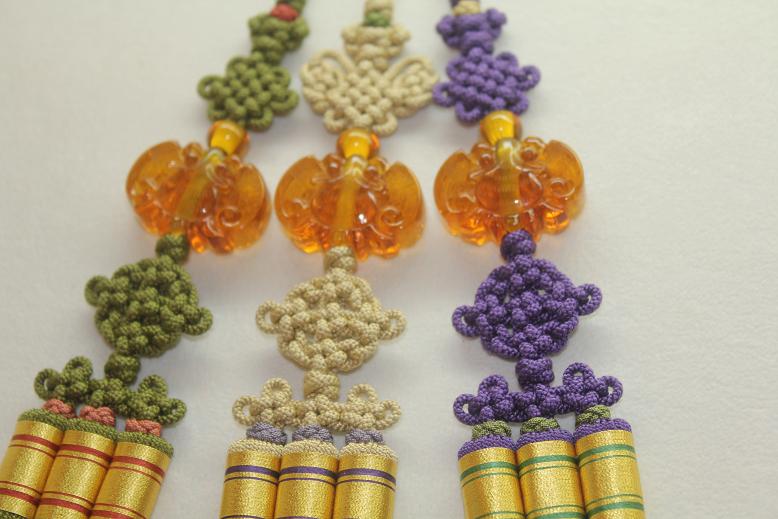


Cr. jdlarge08. wordpress (Jack Large)

Before making Maedeup masters like Kim Eun-young make the thread from scratch! It is such an arduous and time consuming process. In the following video you can see how it another master, Bae Soon Hwa starts by dying the thread, then spins it, then makes it into the thread and finally creates maedeup with it:
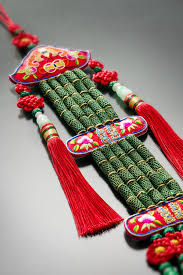
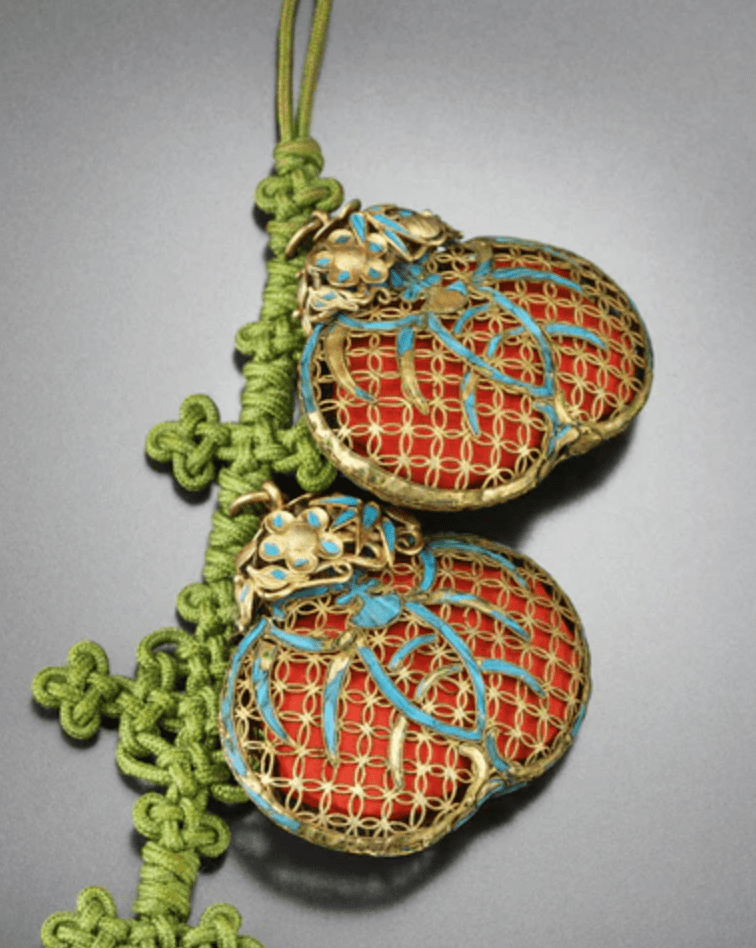
One of the items that Maedeup is used for the most is to create Norigae (노리개), a traditional Korean accessory worn by all women of different classes on their Hanbok (woman’s traditional attire) in their chest or waist during the Joseon Period. Norigae translates to “playful objects” or “decorative trinkets.”

The norigae functioned as a decorative pendant and is both a good-luck charm hoped to bring something such as eternal youth, wealth or many sons (depending on its shape) as well as a fashion accessory. For example, the plum blossom represents resilience, while the crane symbolizes longevity.
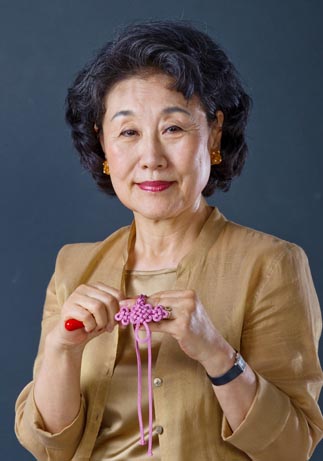
This is Kim Eun-young a master in Maedeup and Norigae creation:

I also found these beauties online:


Check out modern ones worn at weddings HERE.
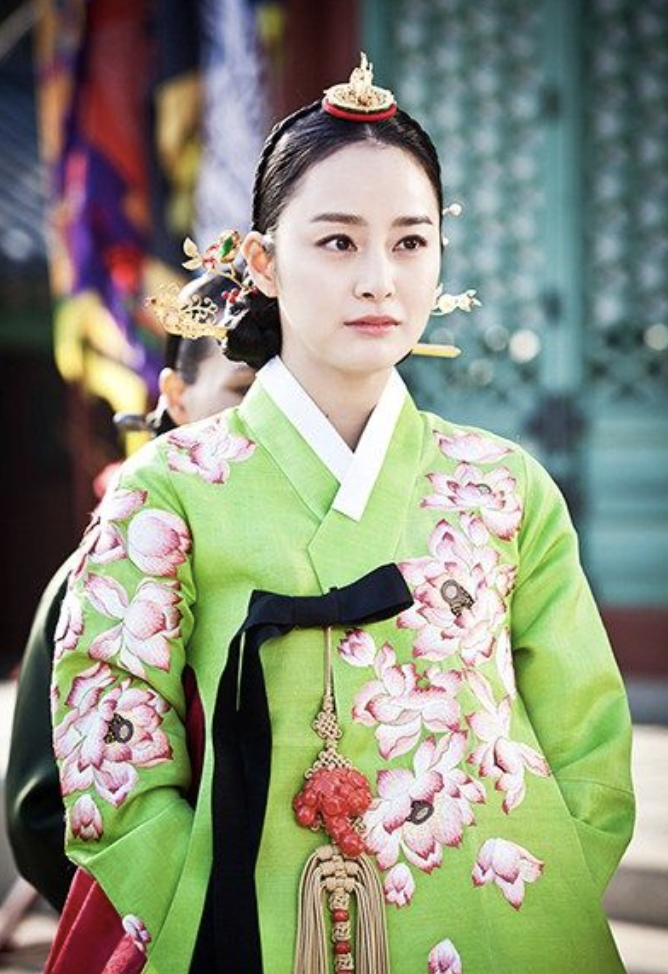
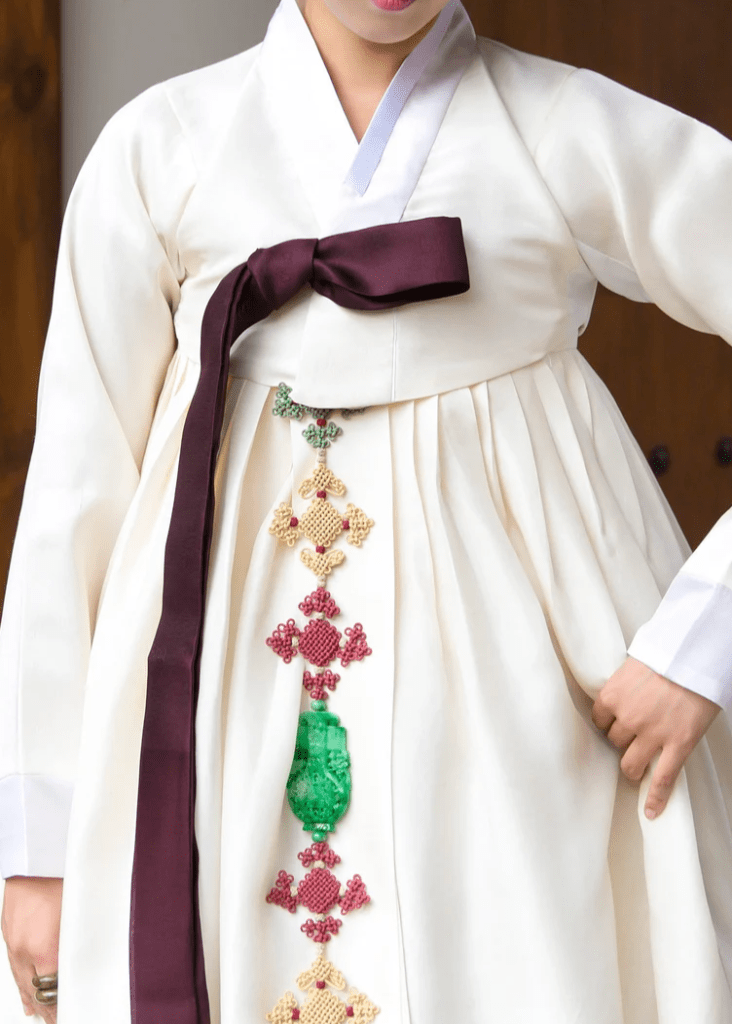
When I visited South Korea I bought one! Though it is now that I understand how it is used.


In my next post will I will try doing some maedeup! Stay tuned!
 My Virtual World Trip
Que bien este nuevo post sobre artesanía.Increíble como los coreanos han desarrollado de forma tan profunda y variada Los Nudos. También los hilos que usan tan brillantes y coloridos aportan belleza y delicadeza.
Estaré atenta a la nueva entrega sobre esta ancestral artesanía coreana.
Felicitaciones
LikeLike